Designers · Marble Balloon · Istanbul, Turkey
Mert Cahit Ertural
Co-founder · interior architect
He draws rooms for a living, and with Ali Balkaya he draws the furniture that goes in them. We deal with the studio directly. This page follows the edge: a stone that looks poured, and a block of wood carved over its whole face.
 Melt, in burl
 Melt, in grey vavona
 Melt, in walnut burl
Who he is
Two studios, one pair of hands.
With Ali Balkaya, Mert Cahit Ertural founded two things in Istanbul. Marble Balloon came first, in 2019: a furniture house named for an irony, a hard stone flying off into the air. 7020 Design Studio followed in 2020, for interiors, architecture and landscape.
He is an interior architect, and the pieces read like it. They are made for a room, not for a plinth.
Marble Balloon credits both founders on every collection. It publishes no portrait of either, and no biography, so there is neither here. What we can show is the work, and say who made it.
- 2019Marble Balloon begins
- 20207020 Design Studio opens
- TogetherEvery collection, both names
Where Melt began
A stone that looks soft.
Melt began at Pamukkale, in western Turkey. Hot springs there have left terraces of white travertine that look as soft as cloud, and are stone.
The studio wanted a table that gives the same illusion. A stone top, carved so that its edge looks as if it were still running down the sides.
Dezeen showed Melt in its Showroom in December 2021. The studio’s own line for it is the one below.
“Blurring the lines between solidity and fluidity.”
Our reading, not theirs
Look along the edge of the coffee table. No two inches of it are alike. The top is the heaviest part, and the line says it is not. That is the studio’s name, built into a table.
Three bodies
One top, three tones beneath.
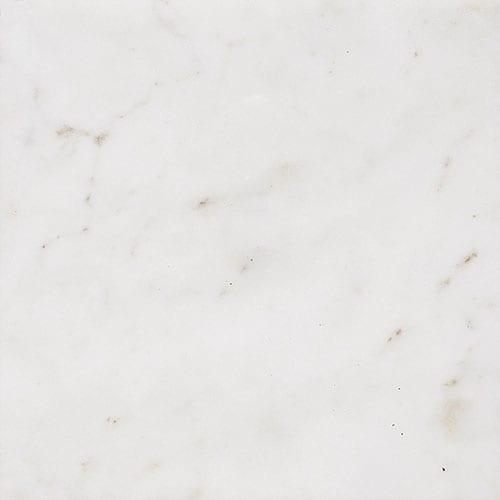
The top is travertine or white sugar marble. Under it the body is curved wood veneer, in one of three tones the studio offers.
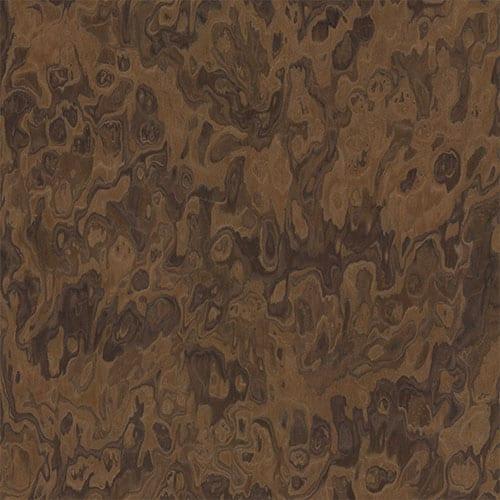
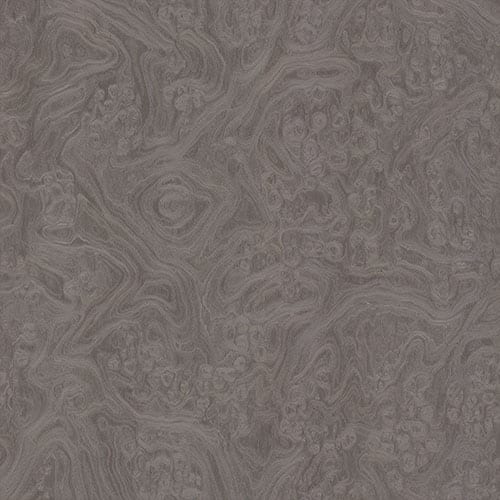
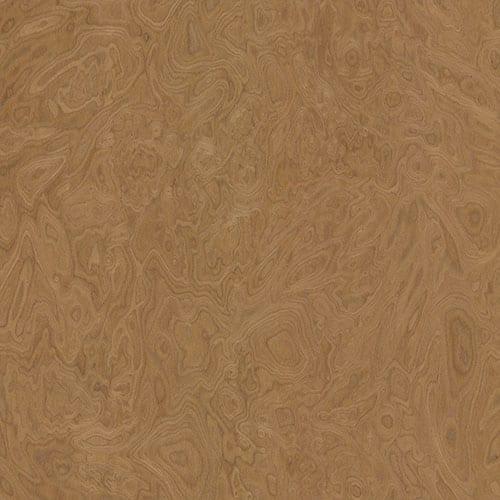
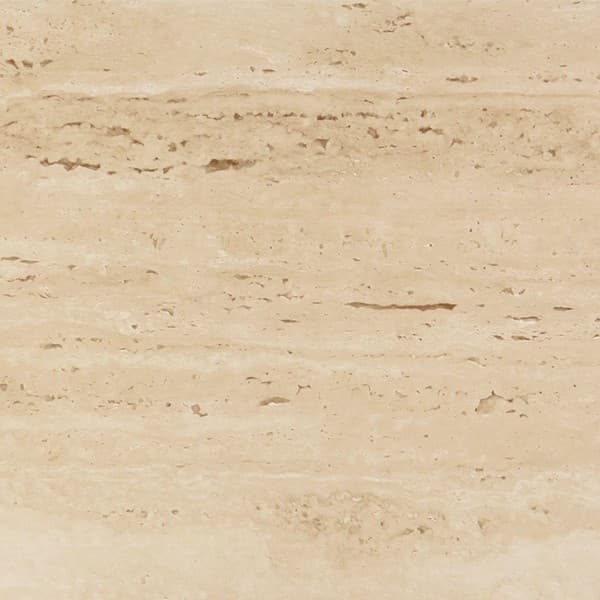
Then carved
Where wood does the melting.
Gougen goes the other way. Where Melt makes stone look soft, Gougen takes a block of solid wood and carves it over its whole face, until the grain becomes a skin of small hollows.
Marble spheres hold a sheet of glass above it, so the top seems to hang. The wood comes in light, chocolate or black. The glass comes extra clear, bronze or smoked.
 Gougen cabinet, light
 Gougen cabinet, black
 The carved face, close
What he stands for
Heavy things made to look easy.
This part is ours. It is how we read the edge against the MELI Living Standard™.
- 01
Known materials
Melt names its stone and its veneer. Gougen names its wood, its marble and its glass. The studio says natural stone varies, and so do we.
- 05
Answerable
Two named founders, a studio in Istanbul with an address and a telephone, press from Dezeen to Elle Decoration, and a family house that deals with them directly.
A MELI line
We carry what is hard, shaped to look easy, and we say who made it. The edge of a table is a fair place to begin.