Travertine

Travertine

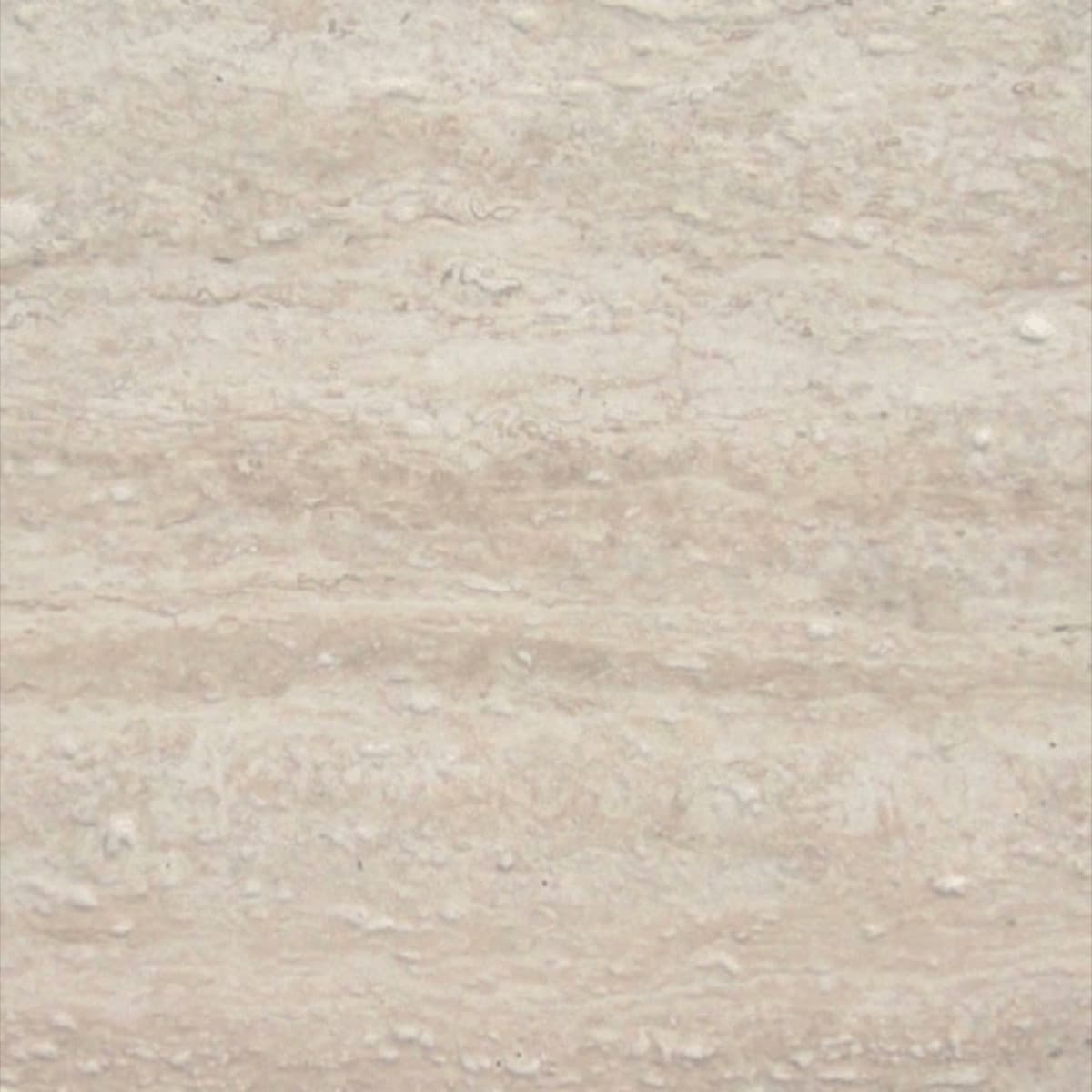
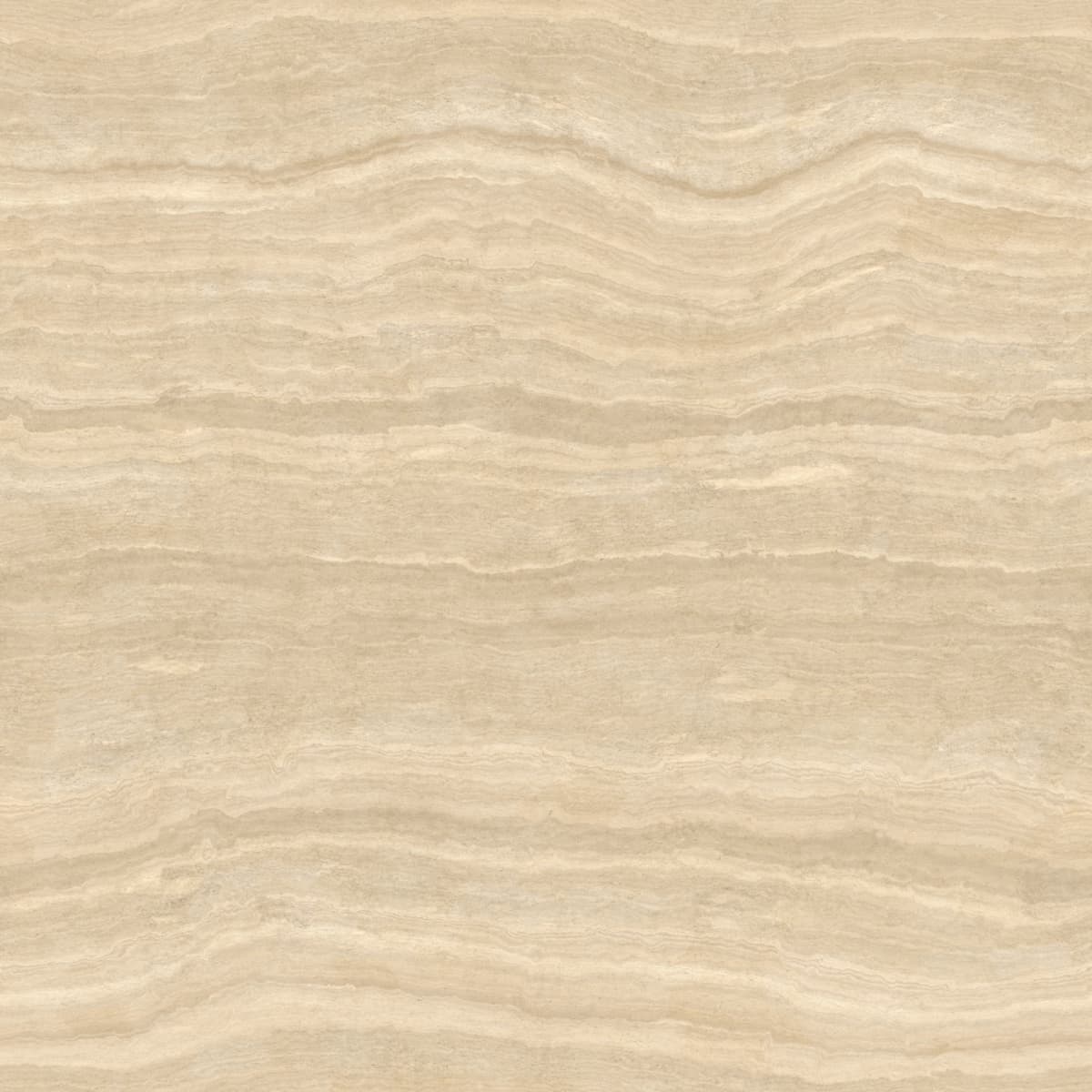
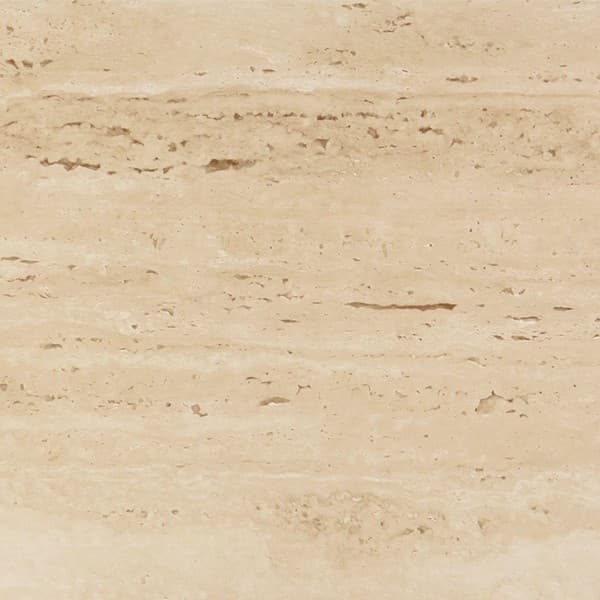
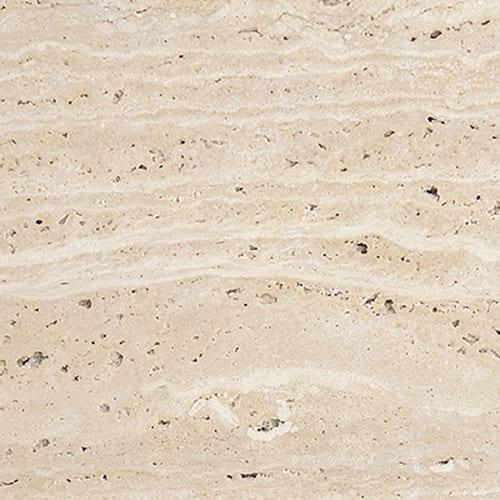
Classic travertine — warm cream stone with soft horizontal banding. A Roman material with a honed, tactile surface for tables and trays.

Colour
Classic cream and Sand
Finish
Honed and filled, matte
Travertine — Maami swatch
TravertineSwatch · Maami

01

The story of Travertine

Classic travertine is the stone of Rome — the Colosseum is built of it — and it has the colour of sand in late light. Its banding is soft and horizontal, and its honed surface has a warmth that a polished stone cannot match.

Travertine is formed by mineral-rich spring water depositing calcium carbonate layer on layer, trapping gas and plant matter as it goes. The result is a banded stone with natural pores — the character that makes it feel so warm and tactile — and a heritage that runs from the Colosseum to modern interiors.

Vein-cut travertine shows long linear bands; cross-cut shows cloudier, more mottled patterns. Pores are traditionally filled and the surface honed, leaving a matte, silky finish that is warm to the hand.

Travertine’s softness is its charm: it is warm to the touch and wears in rather than wearing out. Keep it sealed, wipe up acids quickly, and expect small natural pores and the occasional fill mark — signs of a real stone.

When to choose itChoose Travertine when you want warmth without colour — a surface that makes a room feel lived in and generous.

02

Colour, mood and the way a room feels

Travertine reads as classic cream and sand. Colour does quiet work in a home — here is how the tone behaves, seen through two long traditions of looking at it.

Colour psychology

The psychology of cream

Cream, ivory and sand are the colours of comfort. Warm, low-contrast neutrals are associated with safety, softness and togetherness: they lower the visual noise of a room and make it feel lived in rather than staged. They flatter skin, food and candlelight alike, which is why they are so often chosen for the places where a family gathers.
Feng shui

Earth energy

  • ElementEarth
  • DirectionCentre, Southwest & Northeast

Cream and sand tones belong to the Earth element — stability, nourishment and a sense of belonging. Earth colours are traditionally placed at the centre of a home and in the southwest and northeast, where they support family life, hospitality and the feeling of being held by a place.

03

Where Travertine lives best

  • Living room

    Best fit

    The heart of the home — coffee and side tables in warm travertine that gather people and soften the room.

  • Dining room

    Best fit

    A table, tray or centrepiece in warm cream makes meals feel unhurried and generous.

  • Bedroom

    Best fit

    Gentle and enveloping; warm neutrals are among the easiest tones to sleep beside.

  • Entryway

    Also works

    A warm first impression — hospitable rather than formal.

  • Kitchen

    Also works

    Pairs naturally with food, wood and daylight; forgiving in a busy room.

  • Terrace & outdoors

    Also works

    Honed travertine has been used outdoors for centuries; sealed, it weathers gracefully on a covered terrace.

04

Using, pairing and caring for it

Best used for

  • Coffee, side and dining tables
  • Lamps and sculptural volumes
  • Trays, bowls and bookends
  • Bath accessories and vanity tops

Pairs with

  • walnut
  • bronze
  • wool and bouclé
  • terracotta ceramics

Care

Wipe with a soft damp cloth and a pH-neutral stone cleaner; avoid acids and abrasives. Seal natural stone before first use and re-seal every year or two.

Banding
Warm cream with soft horizontal banding
Best in
Living room, Dining room and Bedroom

05

Each maker’s own swatch

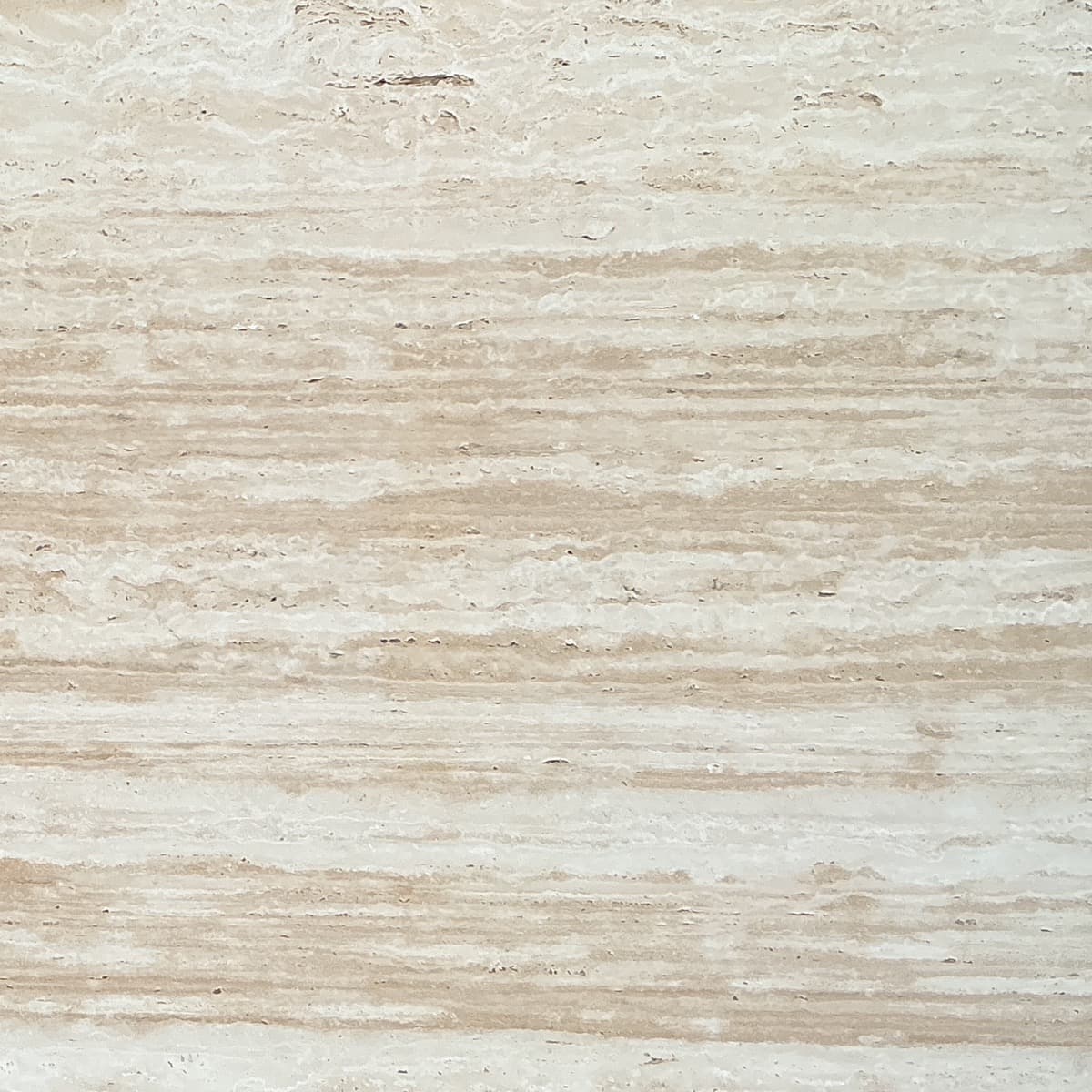
The same material name from two makers is not the same photograph — slab, veneer and finish batch read differently. The first swatch is the one we show first.

  • Travertine — Maami swatch

    Maker

    Maami

    Sold as Travertino Classico · Italy

  • Travertine — Marble Balloon swatch

    Maker

    Marble Balloon

    Pamukkale, Turkey

The finish board

Want to see Travertine in person, or in a piece?