We are buildingthe next family.
A family inventing the next century as one organism — unique minds combined into the projects we build and run together.
Meli's family
Dubai · Athina
Already slightly ahead
A family inventing the next century as one organism — unique minds combined into the projects we build and run together.
Meli's family
Dubai · Athina
Already slightly ahead
A family inventing the next century as one organism — unique minds combined into the projects we build and run together.
Meli's family
Dubai · Athina
Already slightly ahead
We envision family as one organism — partners, children, the people of this house. Each of us thinks in a way nobody else in this house can copy, and we combine that uniqueness into the same projects: we invent them together, we build them together, we run them together. That is how we create more. We do not live as each of us our own under one roof. We do not know the finish. We set a milestone, we start building, and we find the next one by living it. We share the making, the memory, and the celebration. We build this house in trust, in the open, where it can be checked.
The work starts with how we talk. We are inventing the next language of a house: a table nobody has to perform at, agreements written down while the room is still calm, room for a unique mind, and permission to change that mind out loud. Connection is not a mood we wait for. It is how we aim different thinking at the same project we then run together — and it is the one our children inherit by watching us do it badly, then better, in front of them.
Trust is infrastructure. We build it, one kept promise at a time, and it pays out in range: the more we trust each other, the more uniquely each of us can think without anybody bracing. So we develop in the open — new skills, new work, new versions of ourselves — and we send that growth back into the same projects we run together. A house that trusts is a house that can invent the next century without anyone shrinking to stay welcome.
Every project of this house is a room of the next family, and we make each one as a family — each mind from a different angle, on the same journey. We invent them together. We build them together. We run them together. We do not wait for a map of the end. We set a milestone, we start building, and the next one appears because we lived the last. Meli Shop started as the object we could not find anywhere. Meli OS started as the question of who holds the keys if one phone disappears. Meli Club started because other families were already asking how to live this. We invent it at our own table, live with it until it earns its place, run it, share it — then start the next one. More of the family is always on the way.
Stronger together. Each of us thinks it through in our own way — then we combine that thinking, set a milestone, and start building.
We did not arrive here gently. We separated. We doubted each other. We tried apart. What the distance taught us is the only credential this house has: apart, every one of us got smaller. We came back one at a time, on different days, and each of us found the others already walking toward the next version. Repair was never the destination. It was how we started building.
So we made one decision, and we make it again every morning: no more ledger. We put the past down and picked up a practice — say it early, say it to the person, and build what comes next together. Repair is a tool we keep on the bench. The work is the future family.
We are not performing a family. We are building the next one — and repair is how you invent anything that has to last. The old shape stopped working: scattered across screens, outsourced to institutions, too busy to witness each other. So we rebuild in the open, the light and the dark both, in a house safe enough that nobody has to pretend. Not to survive as a family. To get larger than any family we have seen.
The age of AI does not make family smaller. It hands us the century. Anything that can be made will be made, anything that can be answered will be answered. What is left is the part no machine can take: being known by the people in the room, and deciding together what this house is for. That is the upgrade we are building now.
So that is the practice we chose. We create together instead of consuming apart. We run what we made on the days it would be easier to move on. Then we say it to each other out loud, by name — because a future family has to hear the good thing while it is happening. Celebration is not the reward at the end of the work. It is how the next version gets built.
The next century belongs to families that decided to invent it. The machines will take the tasks; someone still has to say what the house is for. Homes will run themselves; someone still has to fill them with a reason. We are writing our answer early, in public, and slightly ahead of ourselves — so the children inherit a practice they can keep upgrading, not a warning they have to recover from.
Imagine.
Who is becoming — and what the next room is still missing.
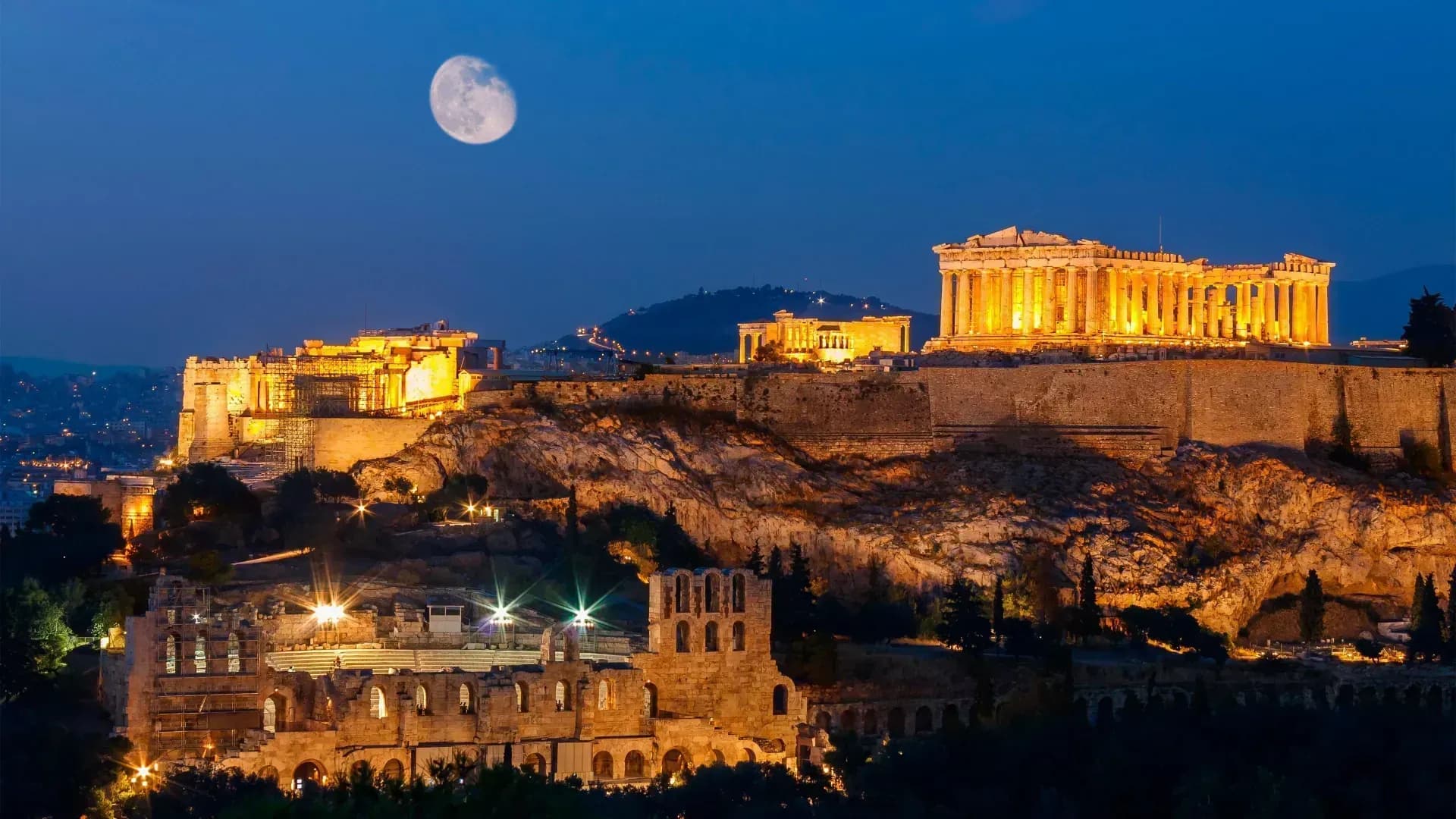
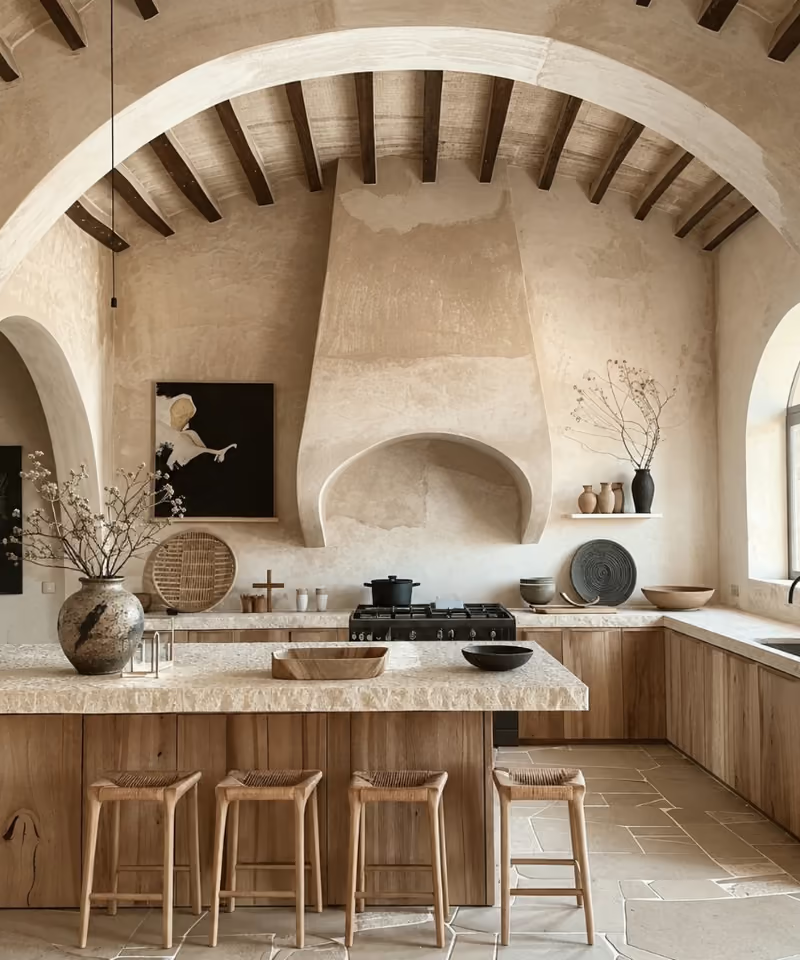
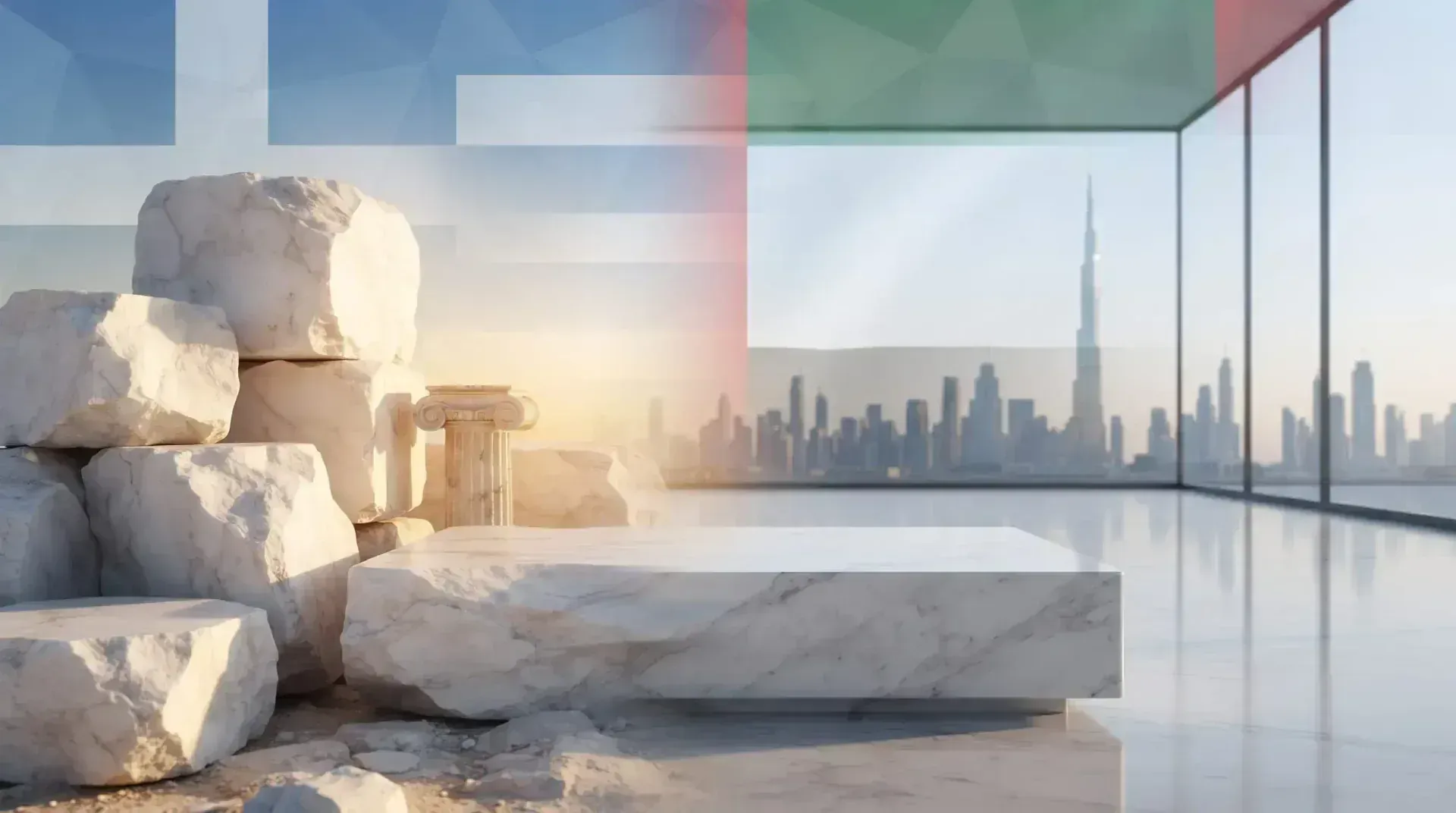
Proportion, ritual, and stone that outlived every empire that doubted it. The city taught us patience before it taught us taste.

A city that rebuilds itself every decade and never apologises for it. Greek clarity, Gulf light, global craft on the same console.
06 · The rooms
Each member brings something the family has lived. Together, we give it form — objects of New Family Lifestyle, kept by us first, then shared.
Made together · shared outward
The house is a workshop with a kitchen in it. One of us sees the object. One of us sees the system. One of us sees the table of people. We do not think the same way — and that is the point. We combine those unique minds into the same project, then we run it as a family. We do not know where it ends. We set a milestone, we start building, and the journey is the work. That is how we grow. That is how we make more. That is the brief every piece, every chapter, gets measured against: does it hold all of our minds, on the same journey, and do we run it together.
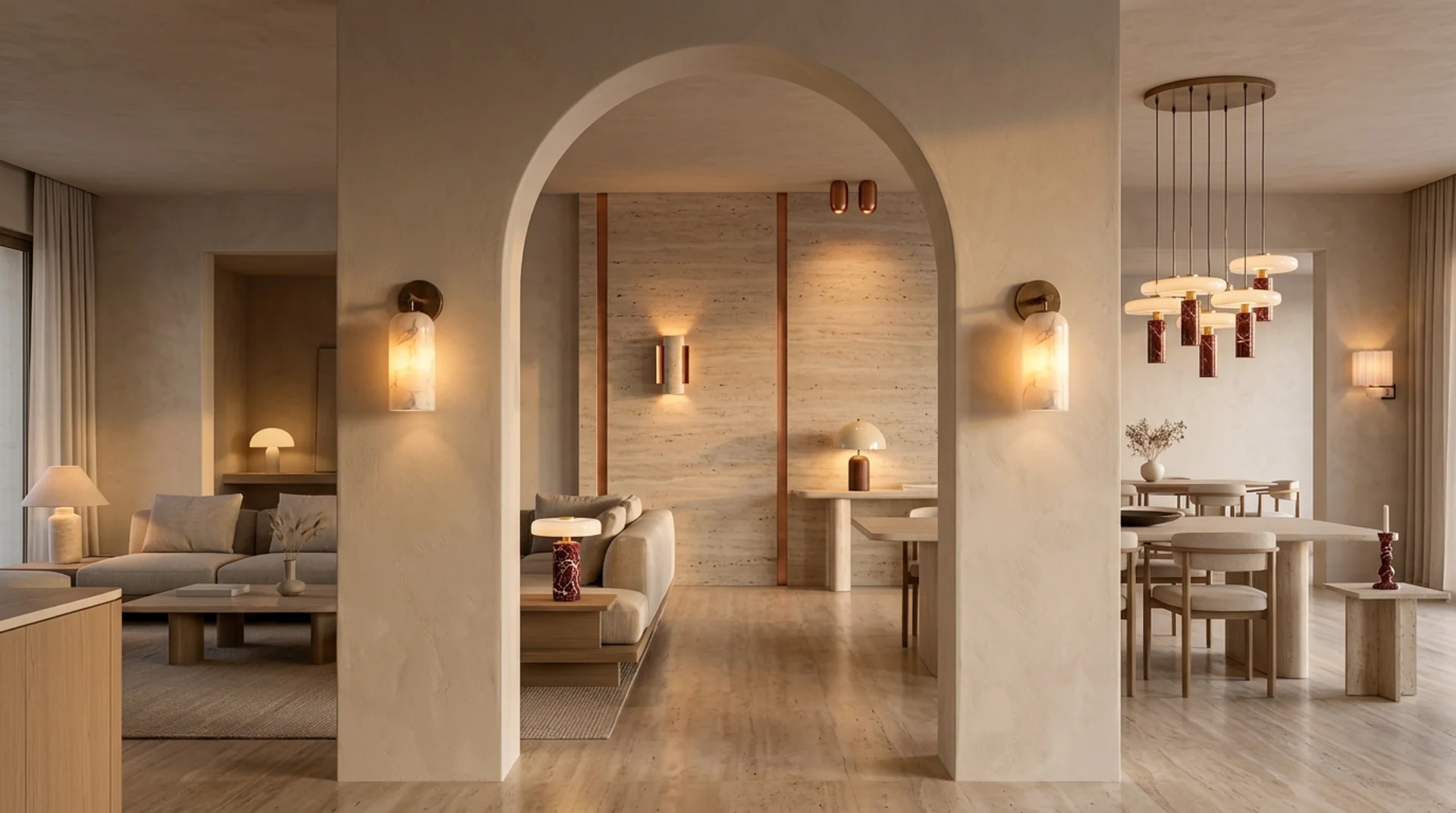
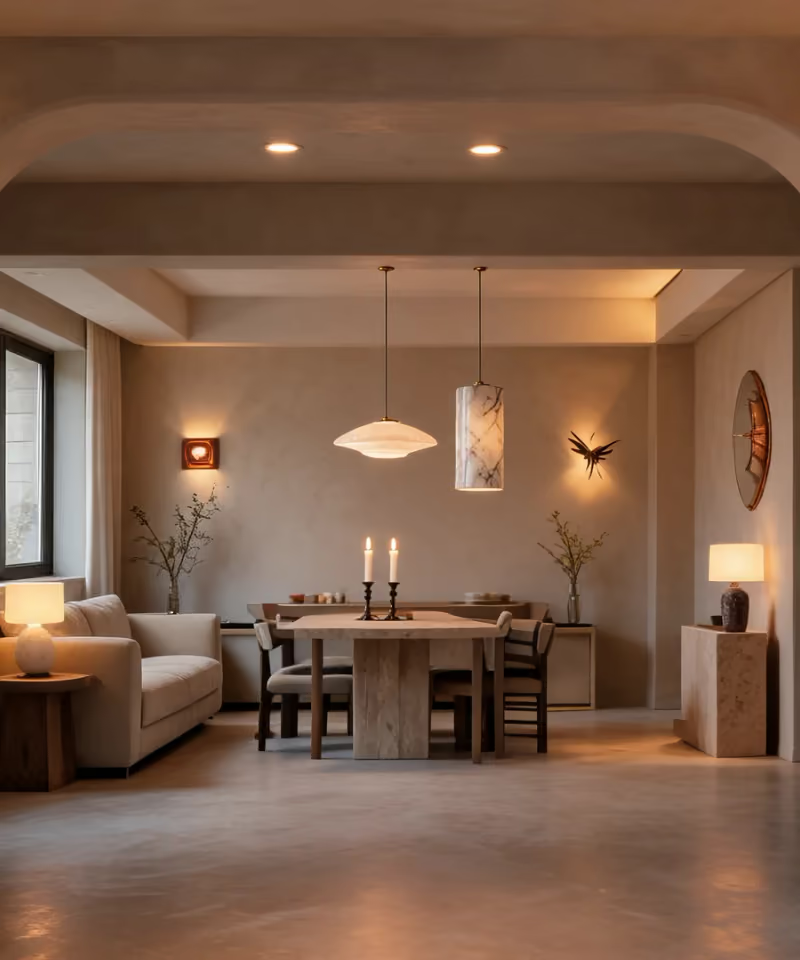
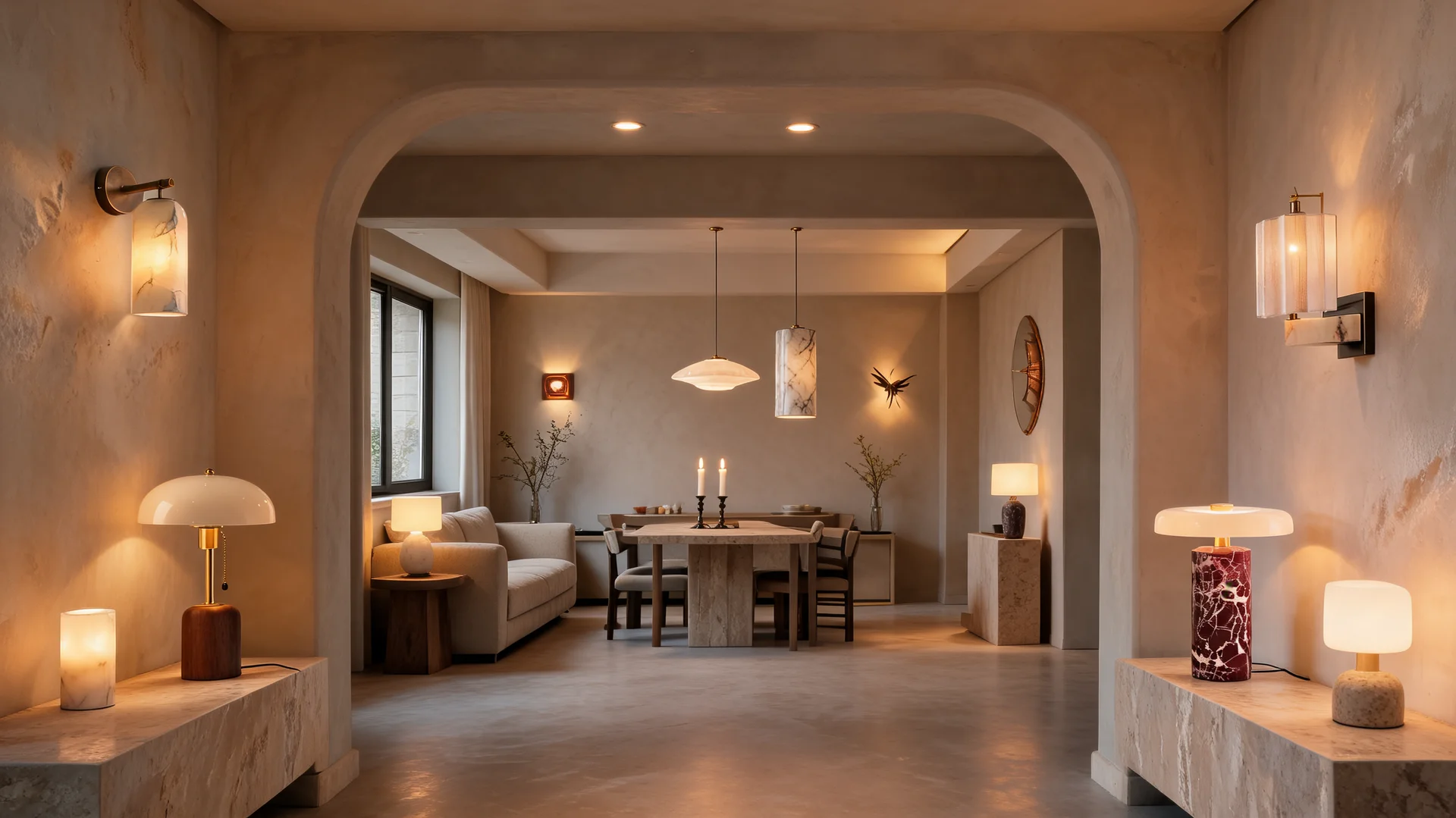
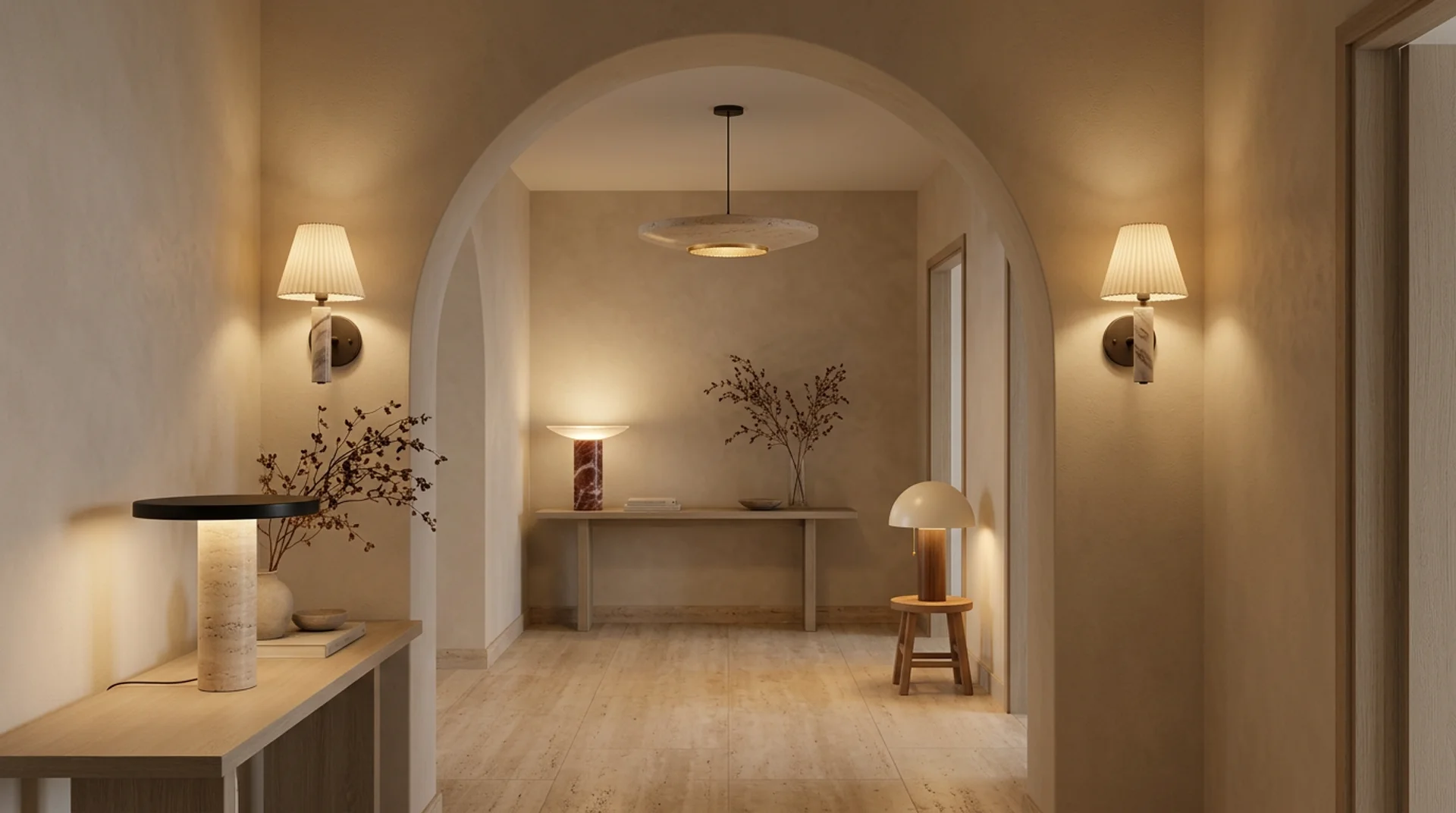
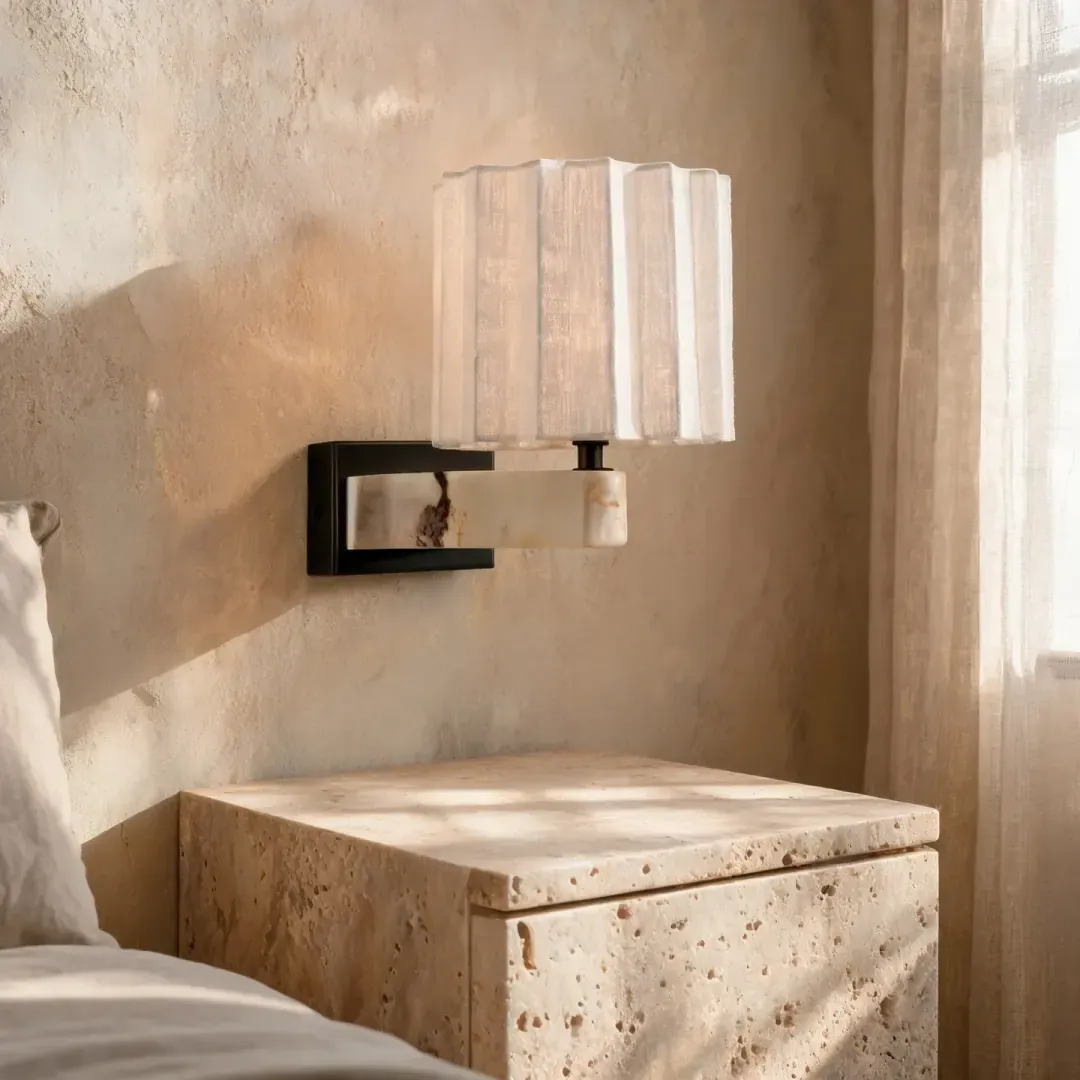
Light that lowers a room instead of flooding it, so the end of the day feels like an ending.
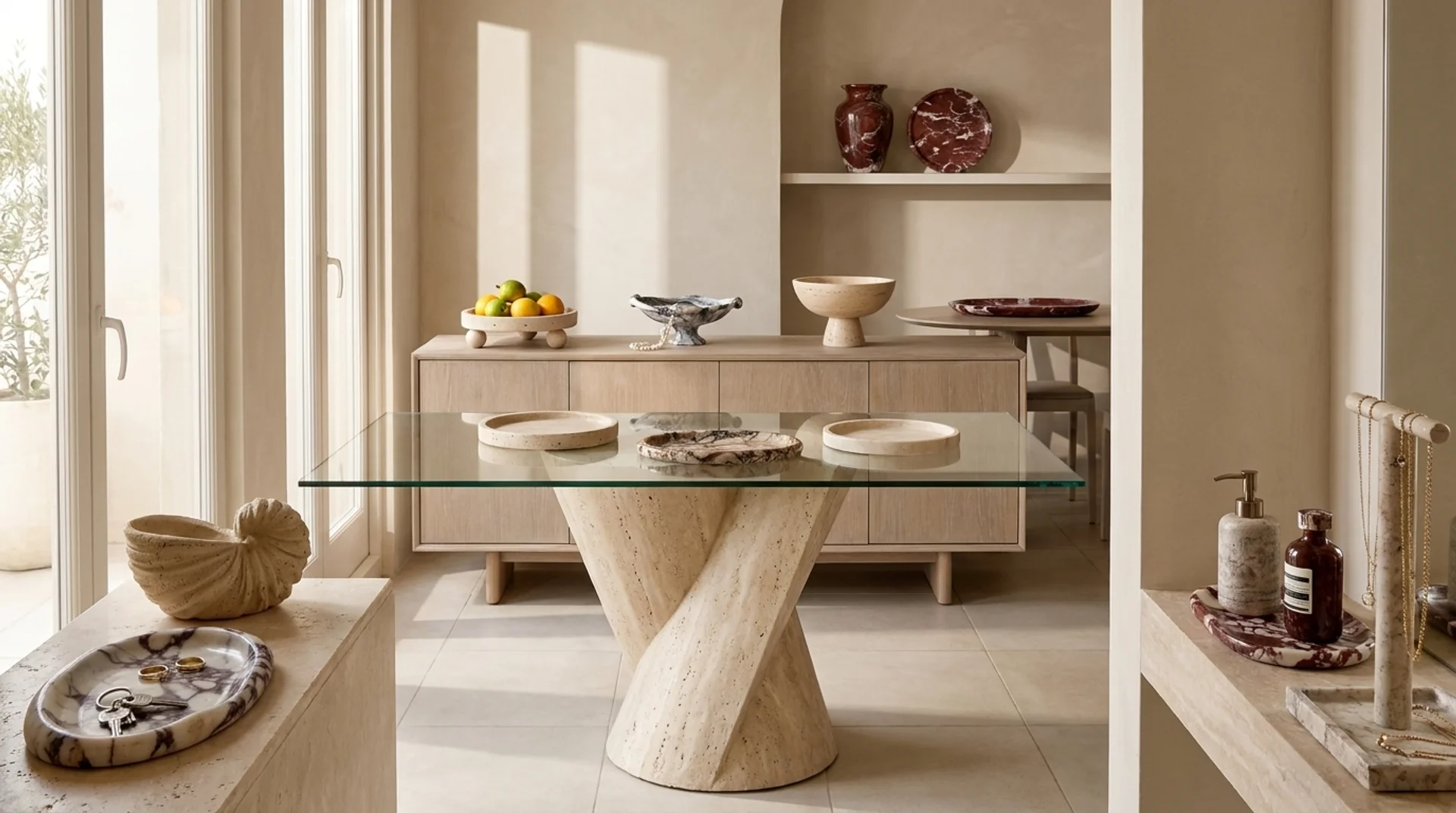
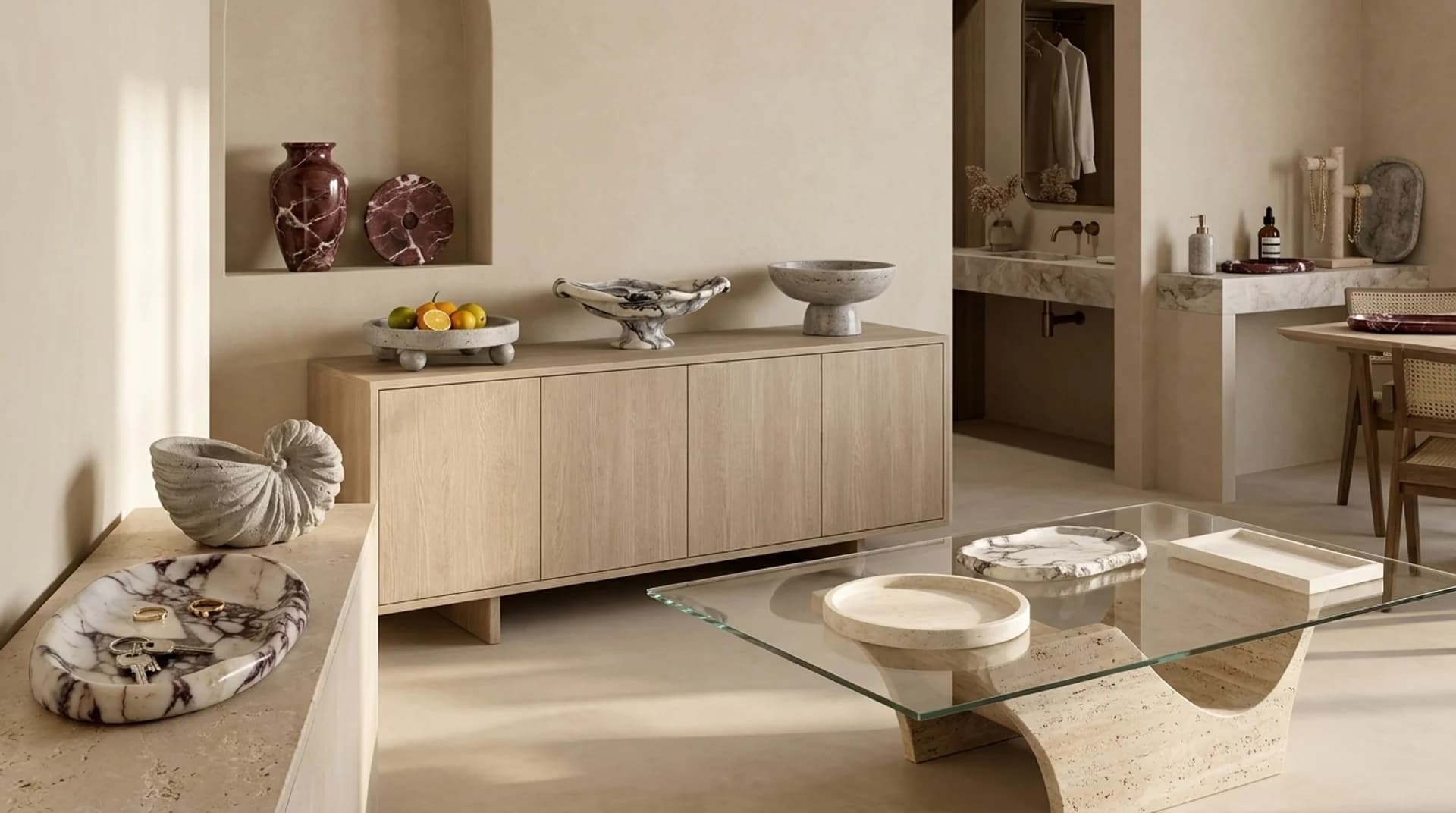
Somewhere for keys, fruit, and the day’s debris — so the surface stays usable.
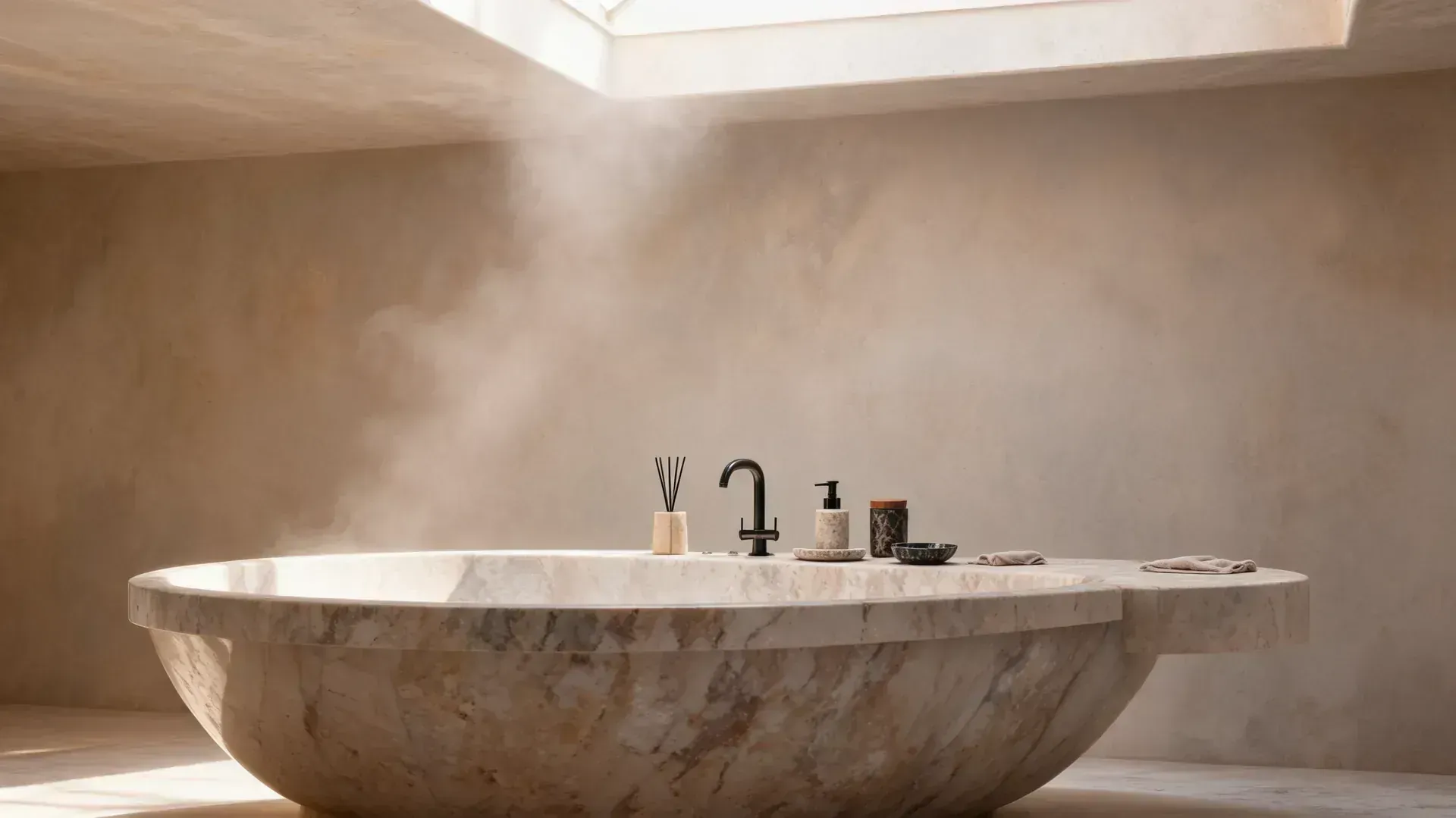
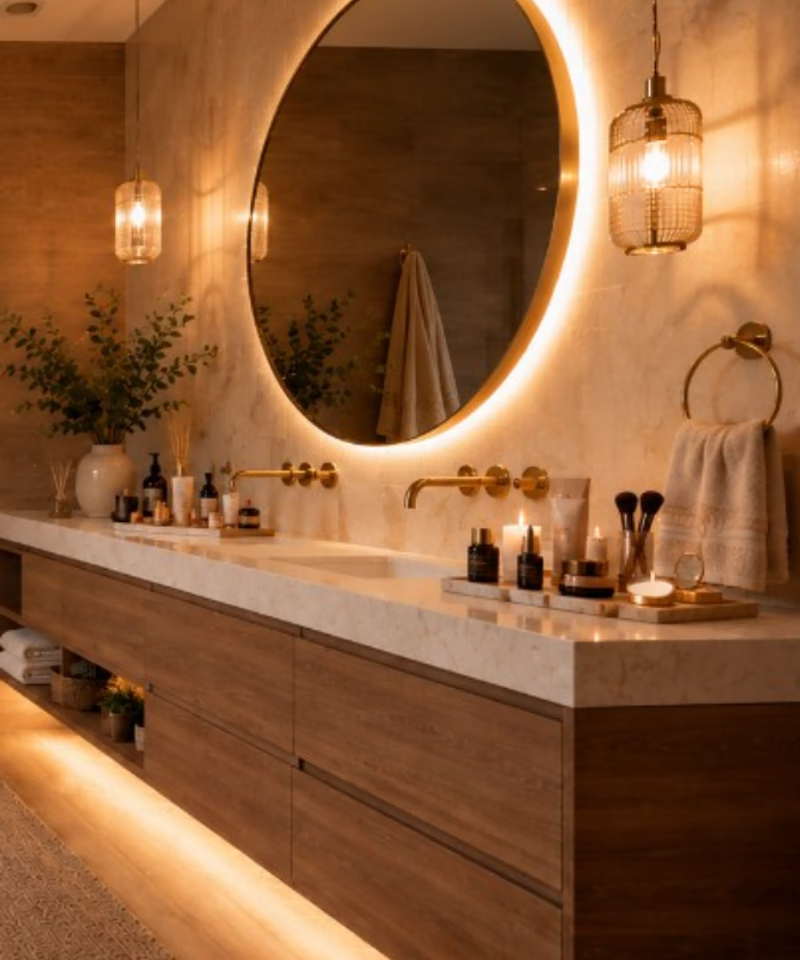
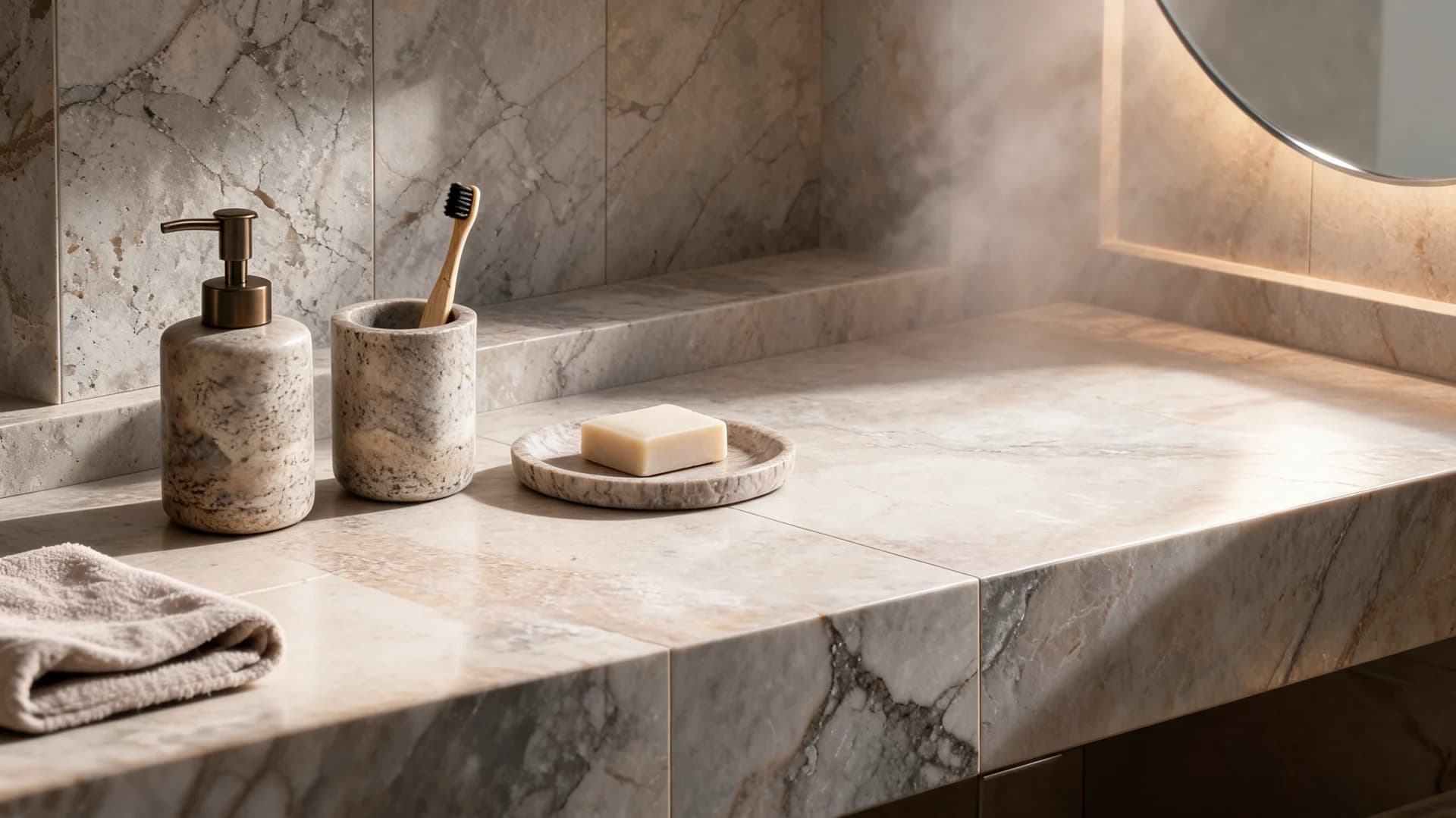
Stone and water built for a ritual that still happens on a rushed morning.
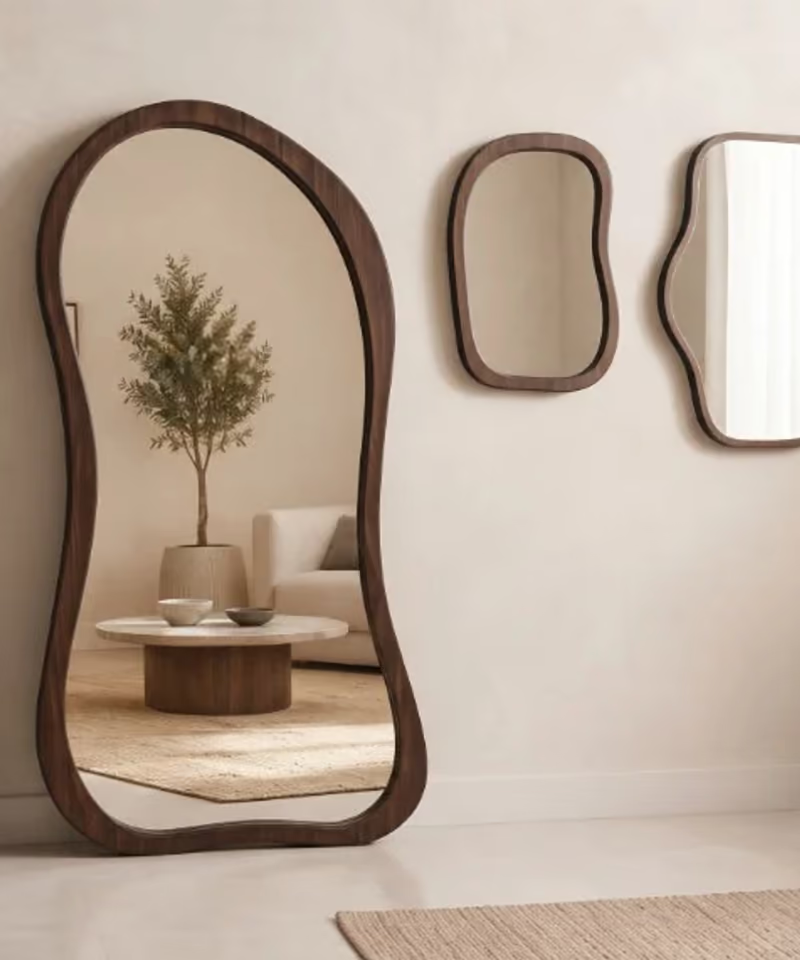
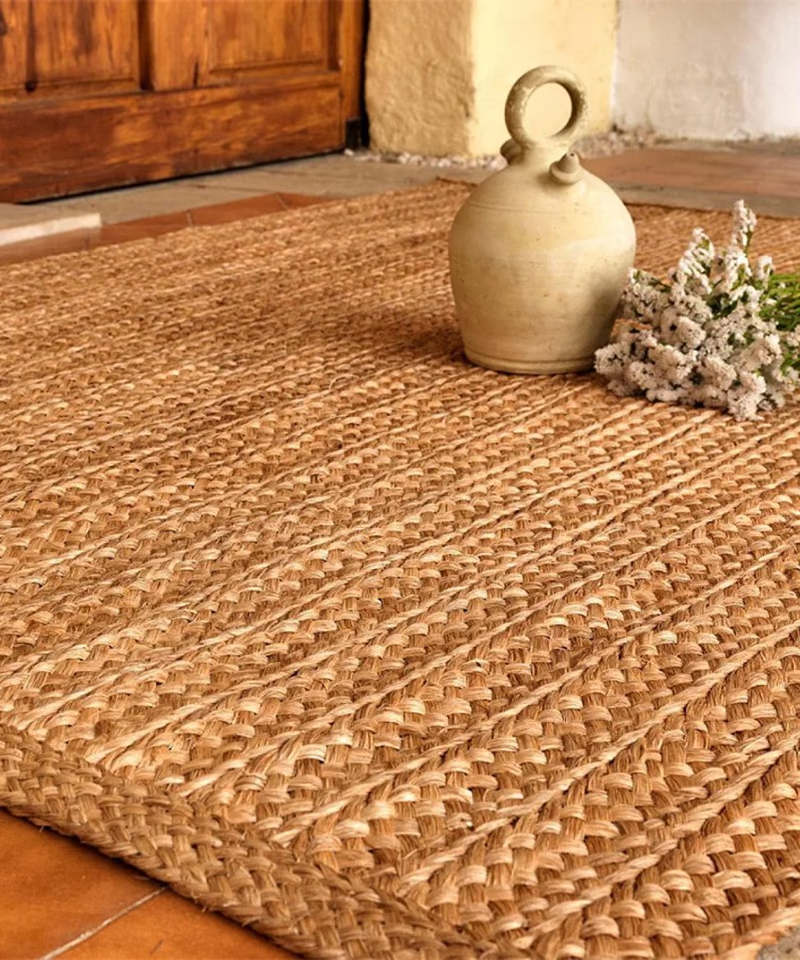
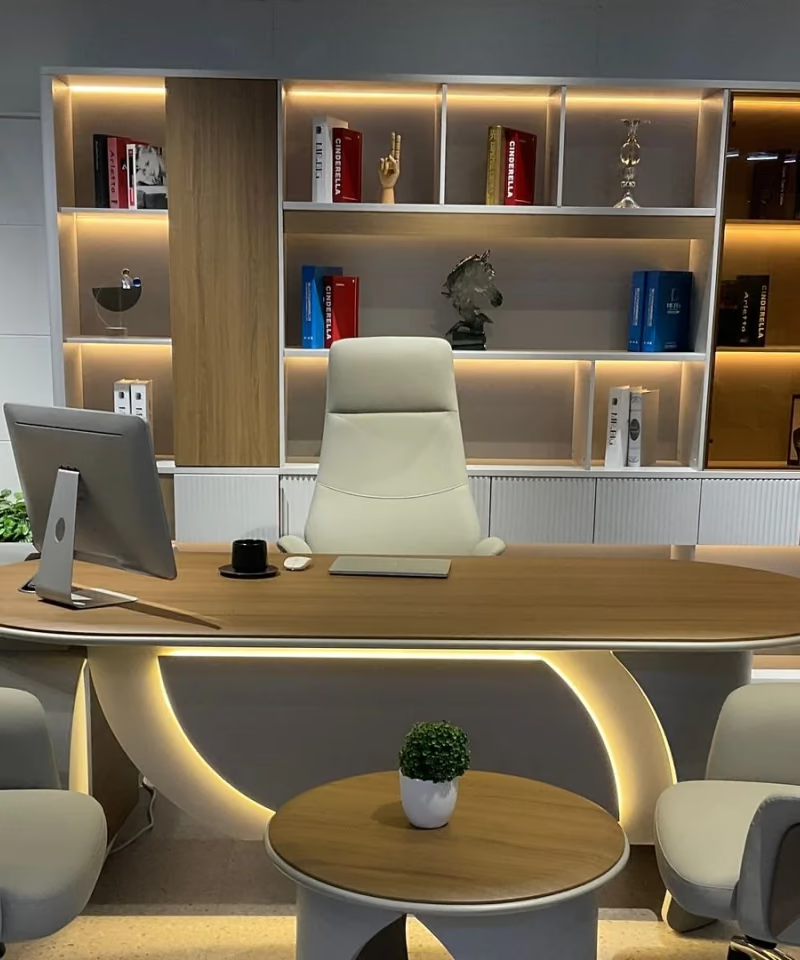
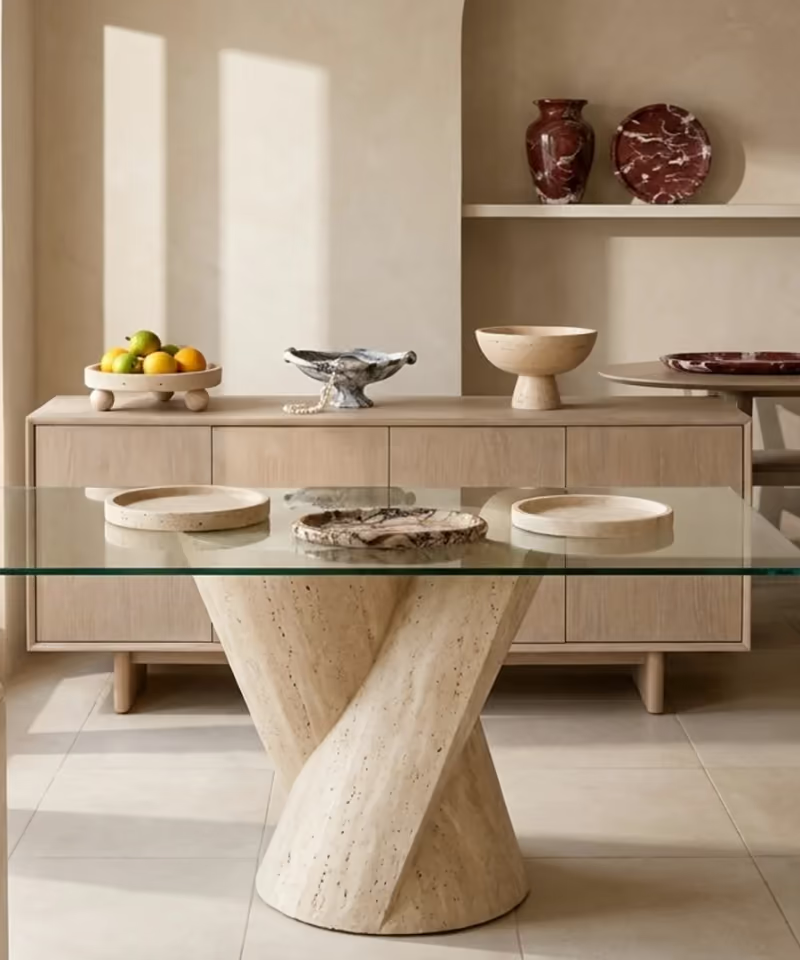
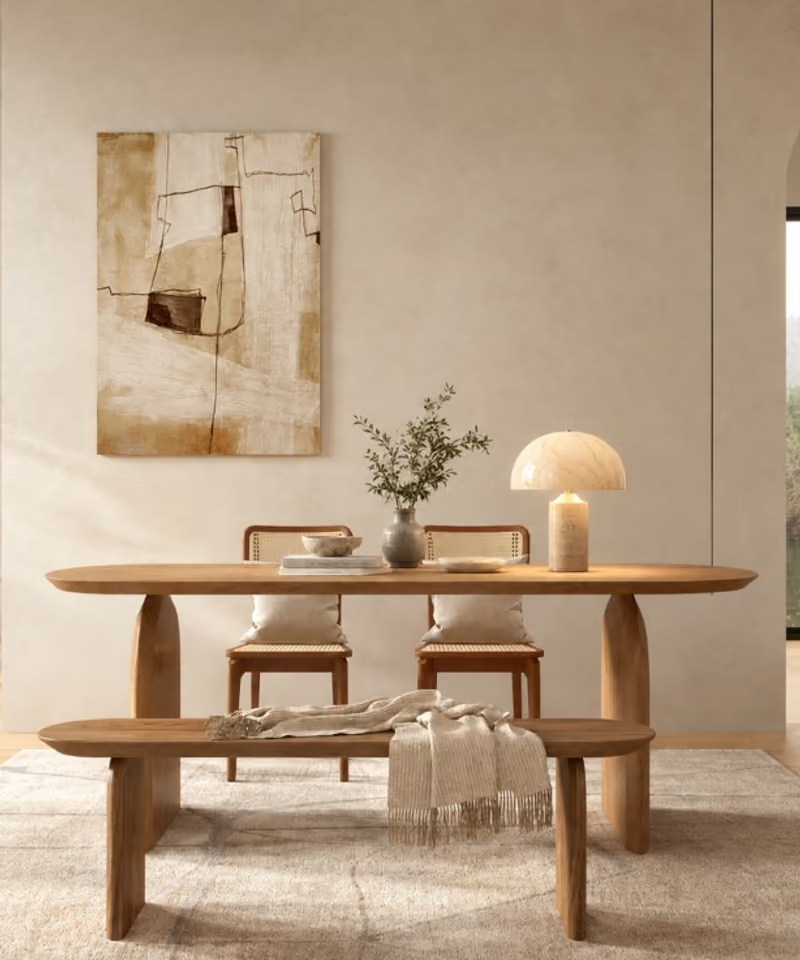
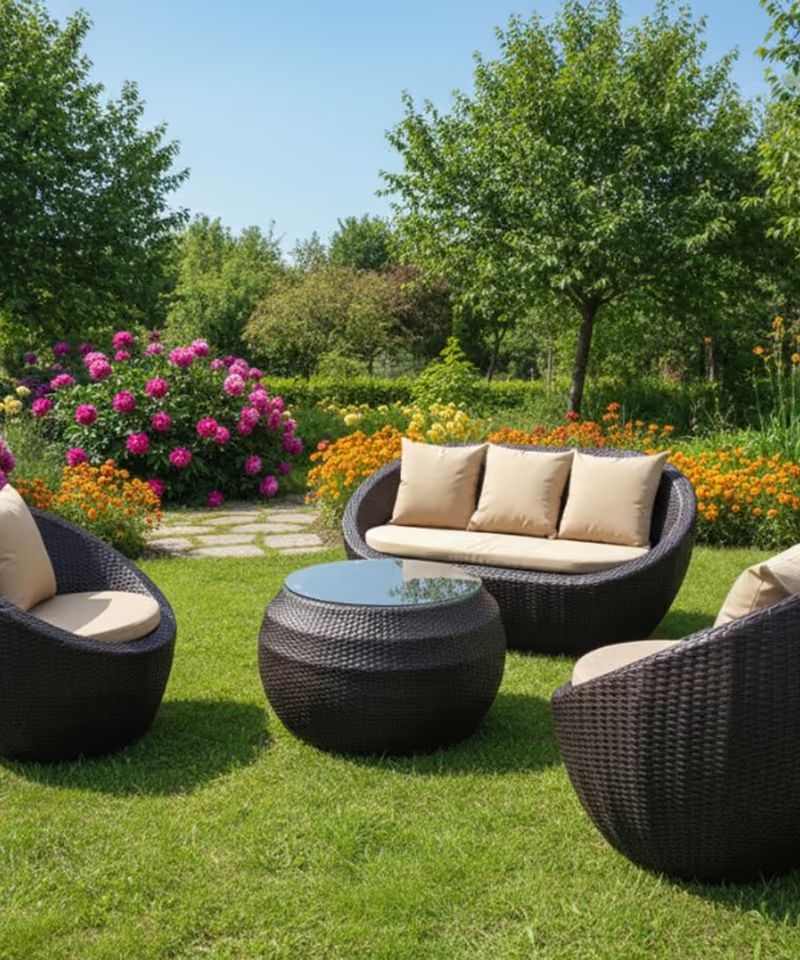
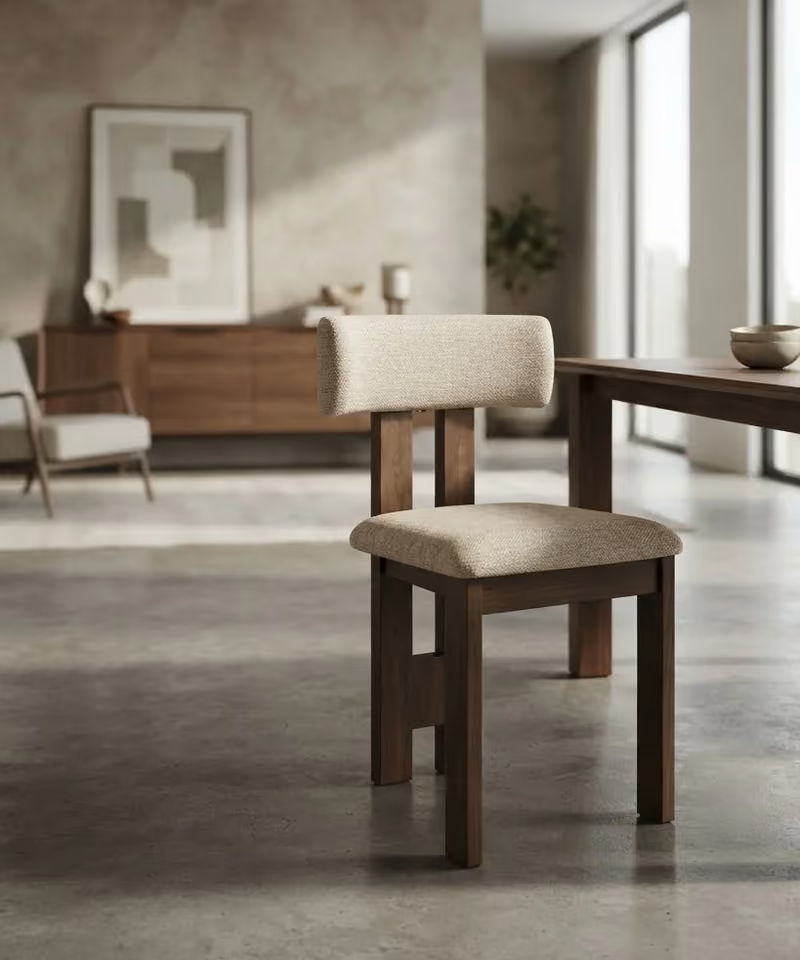
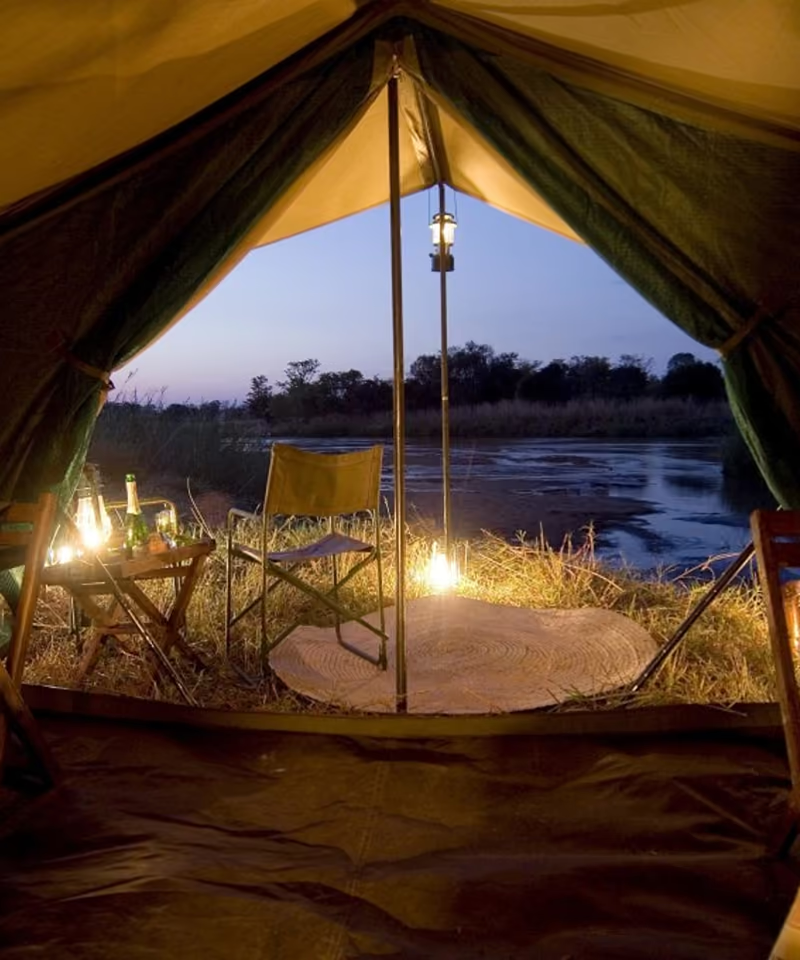
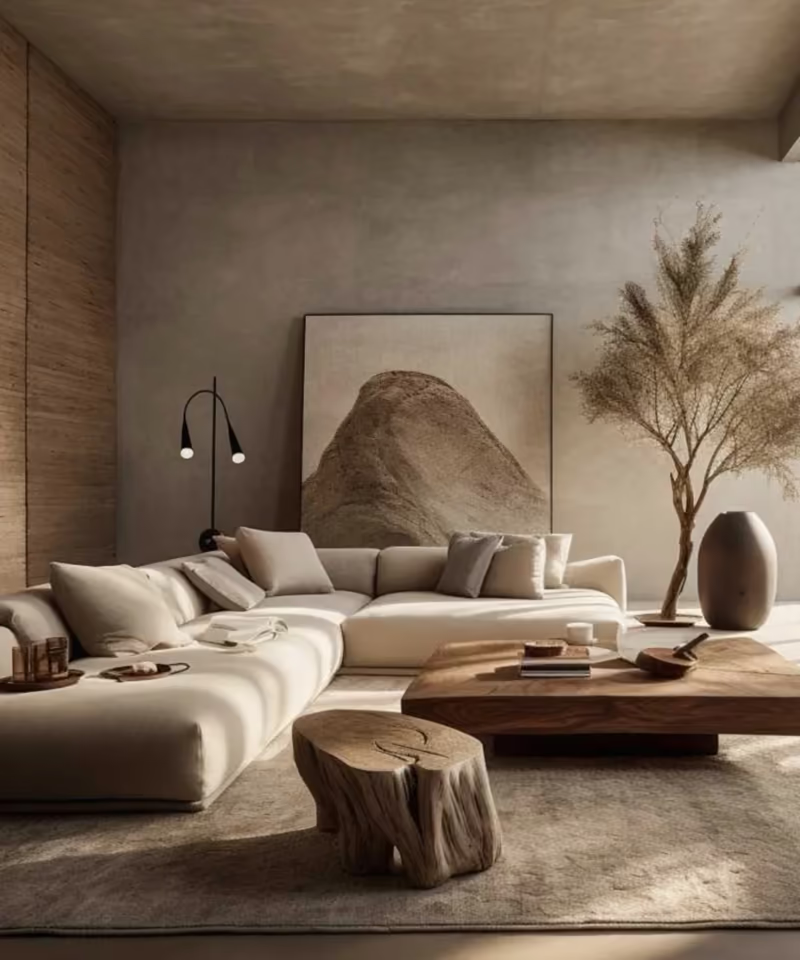
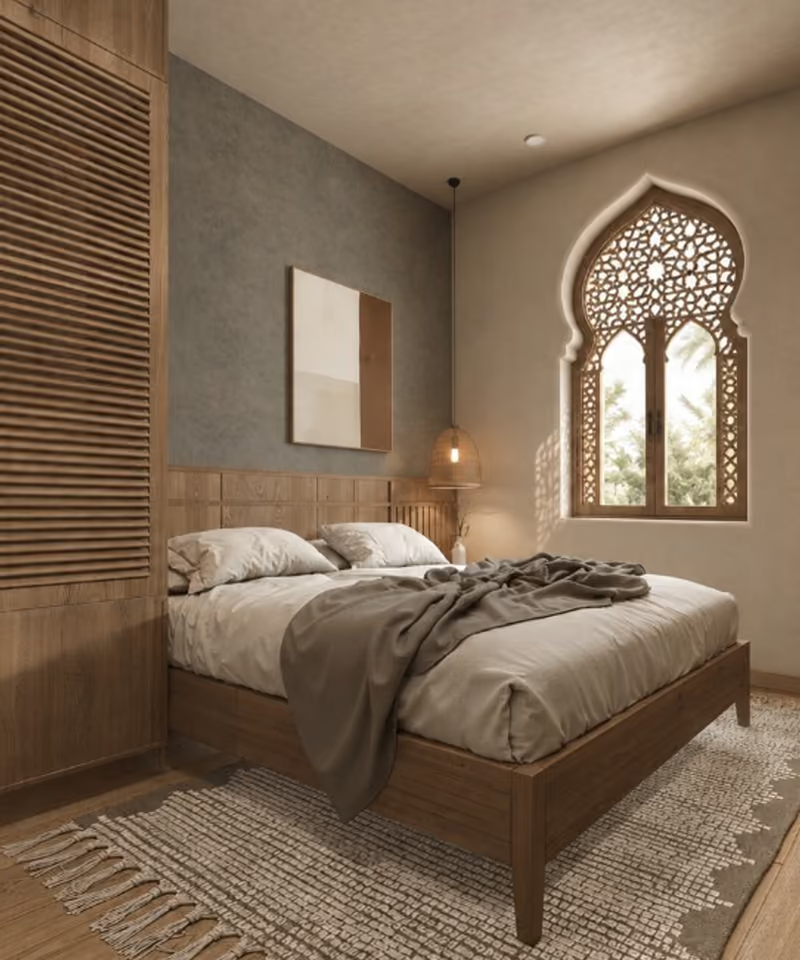
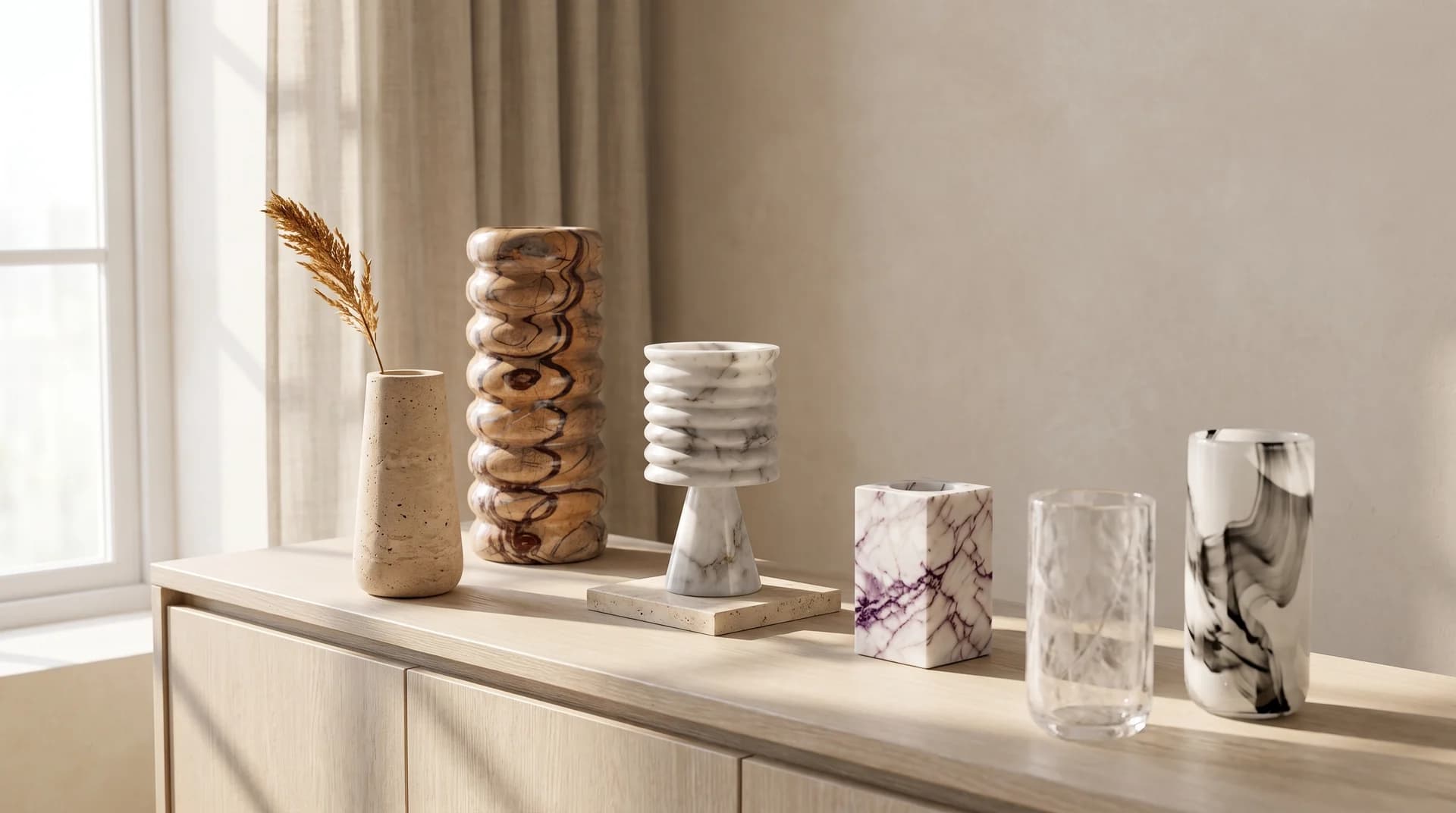
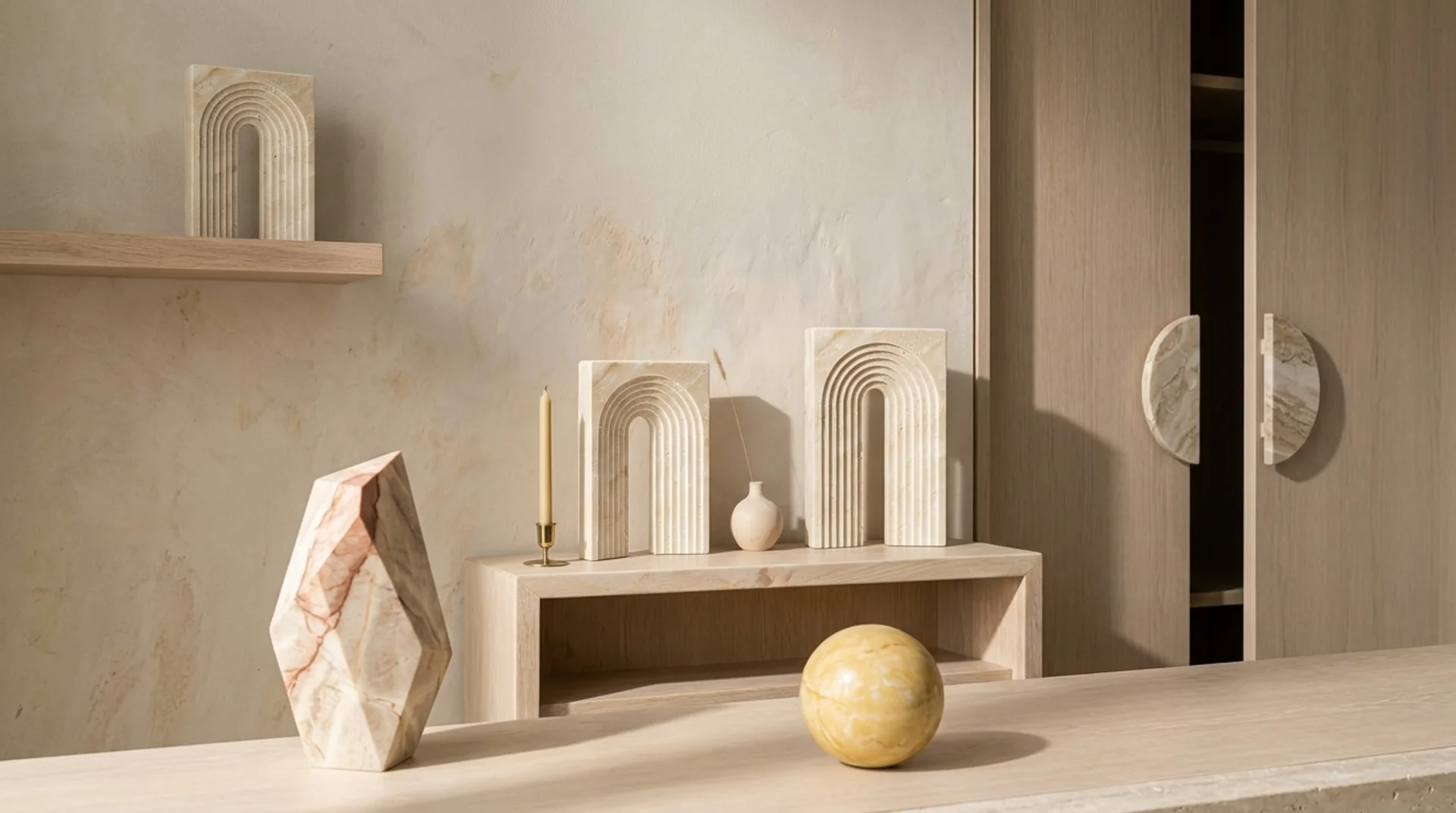
Scenes we composed to test the brief — not photographs of our apartment. The pieces are real. The journey is the work.
Walk the work. Take a seat at Meli Club. Open Meli OS. Open Meli Baby. Shop the collections at Meli Shop. Open Meli Magazine, and watch the next of the family arrive. If this house is yours too, write — we read it as a family.