He draws rooms for a living, and with Mert Cahit Ertural he draws the furniture that goes in them. We deal with the studio directly. This page follows the river line, where it began.
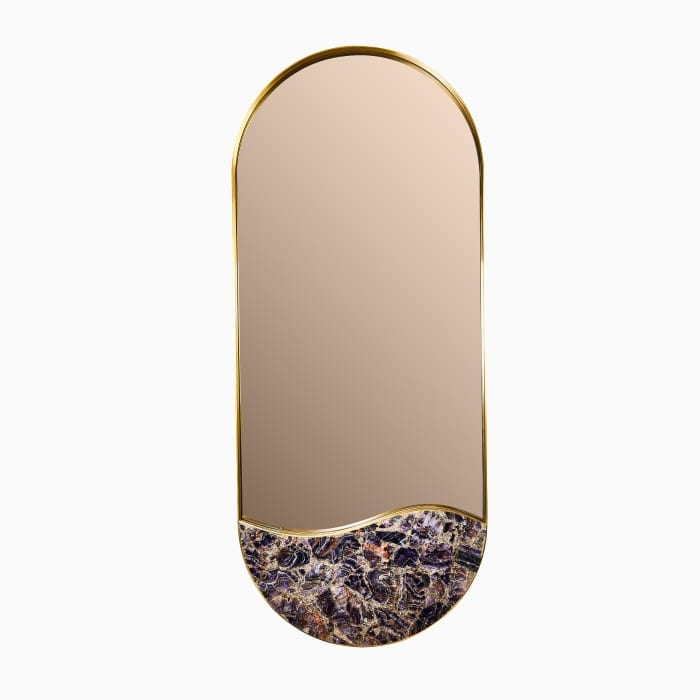 Kura, in amethyst
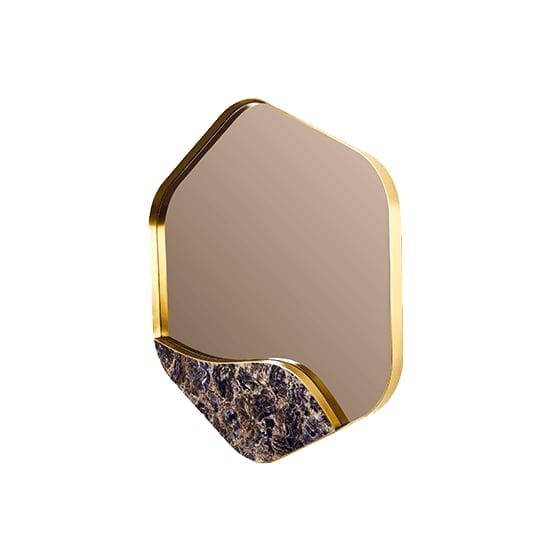 Aras, in amethyst
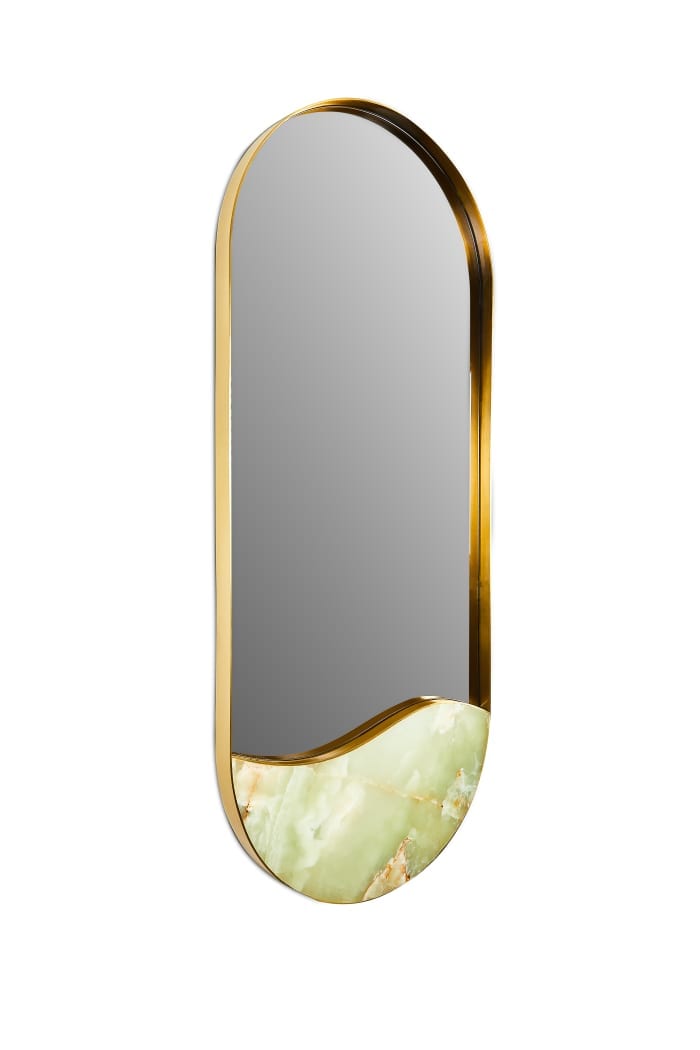 Kura, in green onyx
Who he is
An interior architect, with a balloon of marble.
Ali Balkaya is an interior architect in Istanbul. In 2019 he and Mert Cahit Ertural founded Marble Balloon, a furniture house named for an irony: a hard stone, flying off into the air.
In 2020 the two of them also opened 7020 Design Studio, which does interiors, architecture and landscape for homes, villas, hotels and offices. The people who draw the room are the people who draw the table in it.
Marble Balloon credits both founders on every collection. It does not publish a portrait of either, or a biography, and we have not made one up. What we can show is the work.
- 2019Marble Balloon begins
- 20207020 Design Studio opens
- TogetherEvery collection, both names
The river line
Five pieces, five rivers.
River was the first collection. In the studio’s words it came from spontaneous trips to rivers around the globe, and each piece carries the name of one.
Our note, not theirs: all five rivers begin in Turkey. Aras, Kura, Gediz, Halys (the old name of the Kızılırmak) and Tigris each rise in Anatolia before they go where they go.
01 · Mirror
Aras
A hexagon of bronze glass. A wave of amethyst rises from its foot, held by a brass rim.
Rises in eastern Turkey, runs along borders, and joins the Kura.
Find it in the shop — Aras02 · Mirror
Kura
The same wave in a tall capsule. In green onyx it is pale and cool, in amethyst it is dark.
Rises near Kars, and meets the Aras on the way to the sea.
Find it in the shop — Kura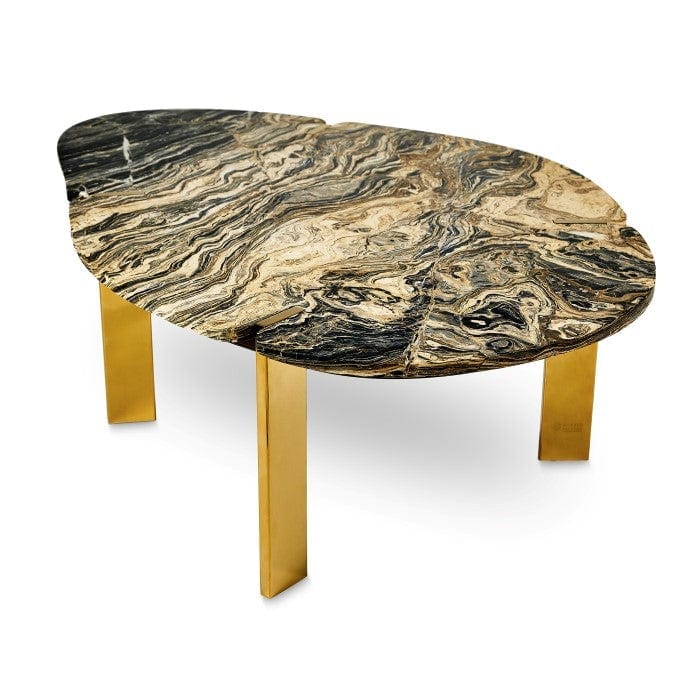
03 · Coffee table
Halys
A pebble of veined stone on slim legs, in black marble or in gold.
The old name of the Kızılırmak, the longest river that stays inside Turkey.
Find it in the shop — Halys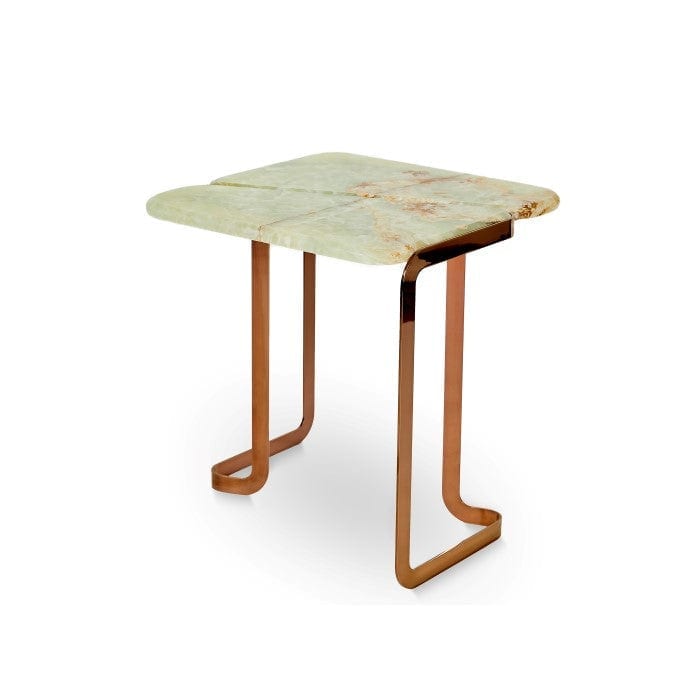
04 · Side table
Tigris
A top cut in two leaves, black marble or green onyx, on one bent line of steel.
Rises in Turkey and runs south to the Gulf.
Find it in the shop — Tigris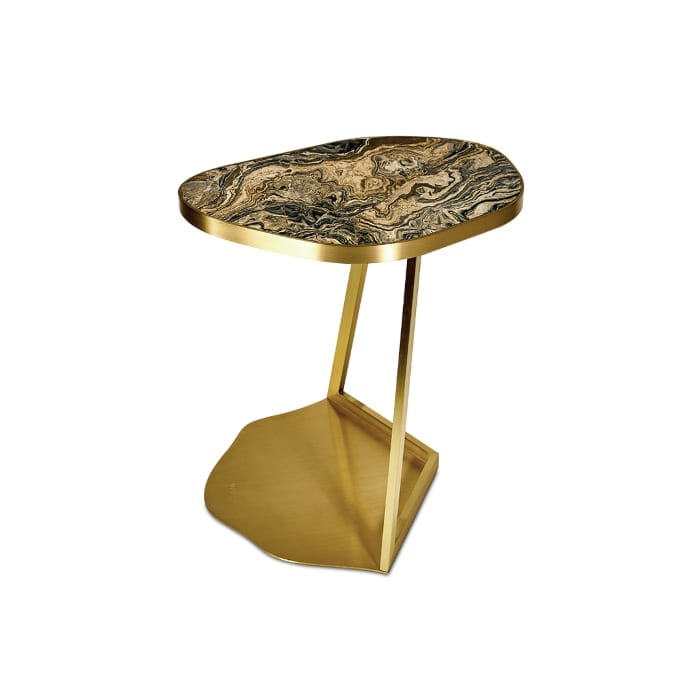
05 · Side table
Gediz
A small stone top on brass, the frame ending in a pool of metal.
Runs west across the Aegean region to the sea.
Find it in the shop — Gediz
What we see in it
A waterline, in stone.
“The moment we physically captured the feeling of fluidity with marble, that was a shift for us and from that moment on, our perspective on designs expanded.”
Our reading, not theirs
Look at the mirrors. The stone does not sit under the glass as a bar. It rises in a wave, and the brass rim follows it, like the line water leaves on a bank. That is the whole trick of the river line, and it holds.
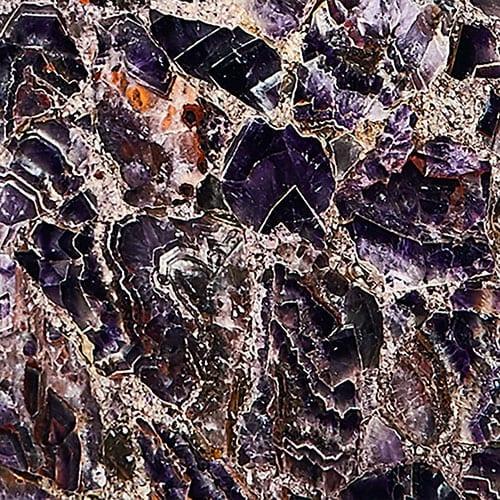
 Amethyst and brass, close
 Aras, in green onyx
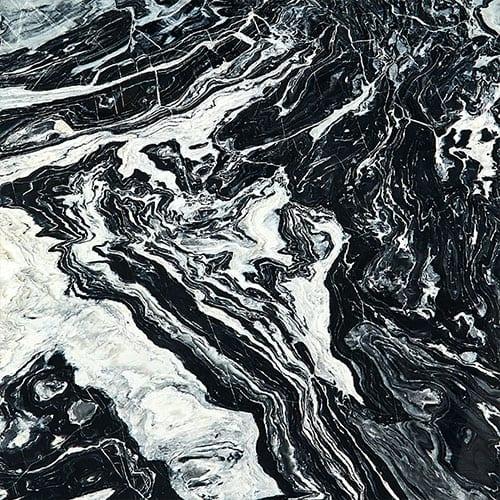
 The Halys marble, close
The stones of the river
Each one a fingerprint.
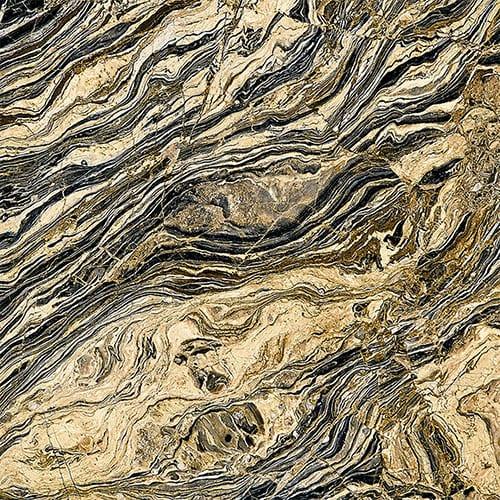
The studio says each stone has a pattern like a fingerprint, so no two pieces are the same. Here is what the river line is made of.

What he stands for
Weight you can trust to float.
This part is ours. It is how we read the river line against the MELI Living Standard™.
- 01
Known materials
Each river piece names its stone: amethyst, green onyx, black marble, gold marble. The studio tells you that stone varies, and so do we.
- 05
Answerable
Two named founders, a studio in Istanbul with an address and a telephone, and a family house that deals with them directly.
A MELI line
Some designers publish a long life. This one draws a river, and lets the stone do the talking. We carry the mirrors and tables, and we say who made them.