Partner of the house · Copenhagen, Denmark · since 2017

Soft, on purpose.
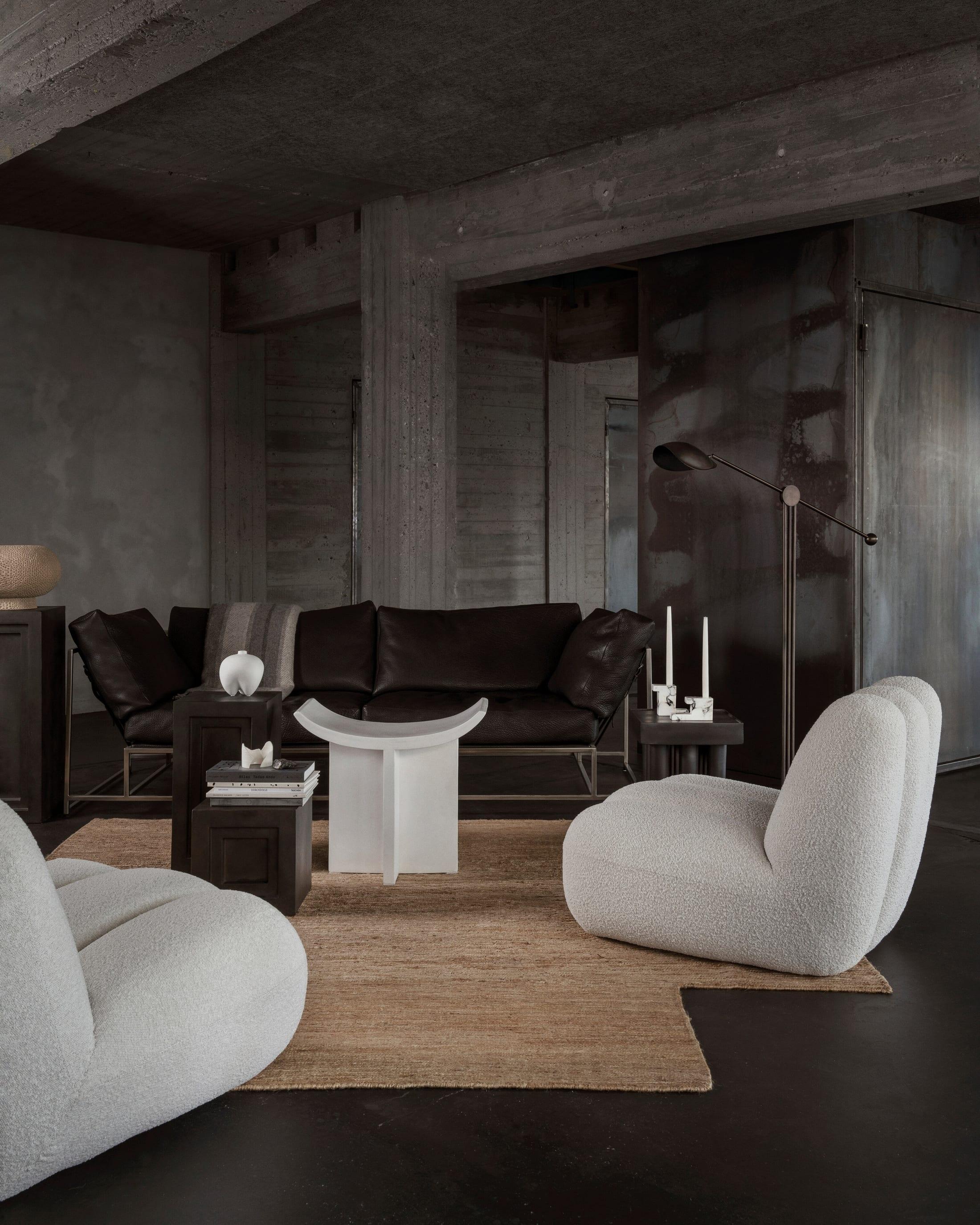
101 Copenhagen began in a basement in Magstræde and launched in Paris a year later. The shapes are quiet, and they are meant to be sat in.
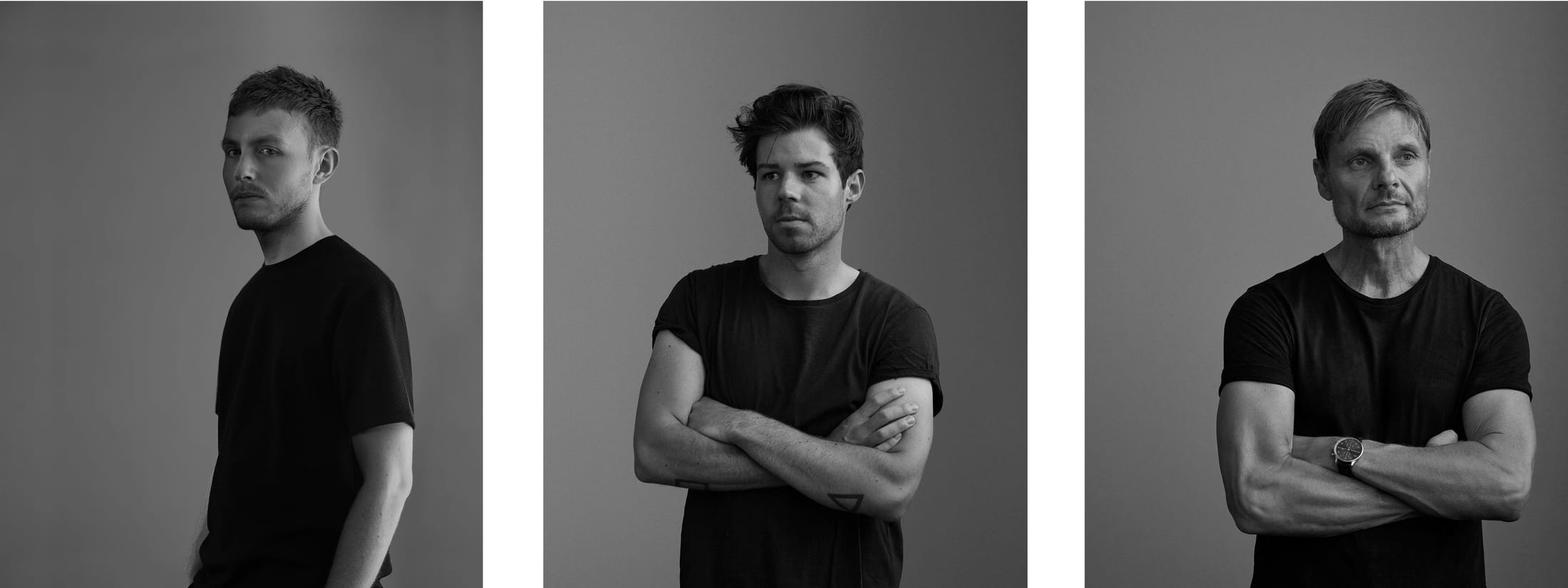
Who they are
Two designers, one calm idea.
Danish design nourished by Japanese minimalism: sculptural furniture, lighting and objects from Tommy Hyldahl and Kristian Sofus Hansen.
The brand was founded in 2017 by Tommy Hyldahl, who came from fashion. With Kristian Sofus Hansen, who trained at the Royal Danish Academy and lived in Kyoto, he draws it. It started in a basement in Magstræde in 2016 and launched at Maison&Objet in Paris in 2017.
What they make sits between two traditions: Scandinavian restraint and Japanese minimalism, with something of wabi-sabi in the roughness of a stone and the quiet of a wooden frame.
- 2016A basement in Magstræde, Copenhagen.
- 2017The brand launches at Maison&Objet, Paris.
Why MELI chose 101 Copenhagen
Five questions, softly asked.
MELI Living Standard™ asks the same five questions of every maker. These are 101 Copenhagen’s answers, and the reasons they are in the house.
- 01
Known materials
What is it made of, all the way through?
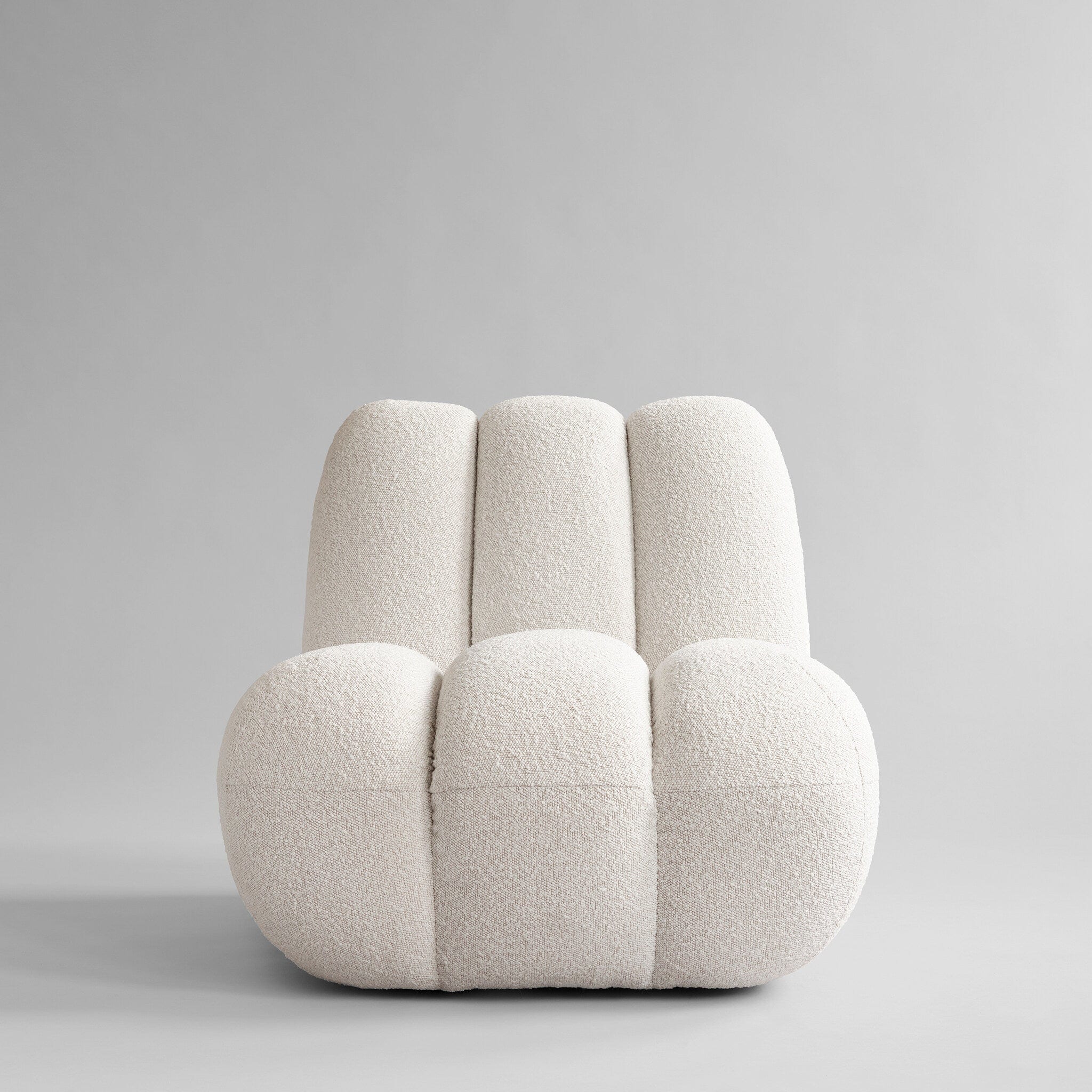
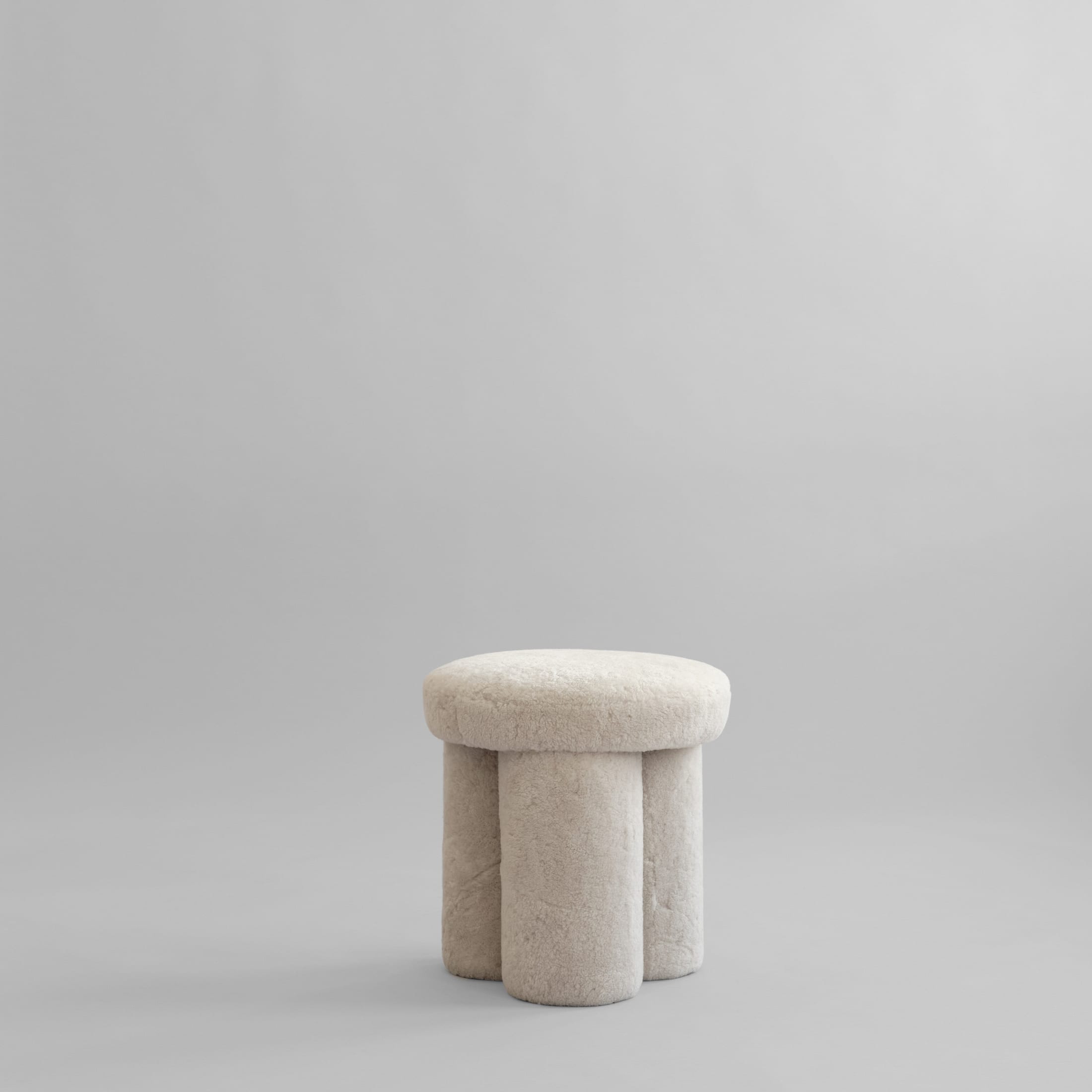
Toe names its cover and core — polyester bouclé over a layered foam core — and gives its dimensions and weight. Frames and stone are what they look like.
- 02
Honest making
How was it put together?
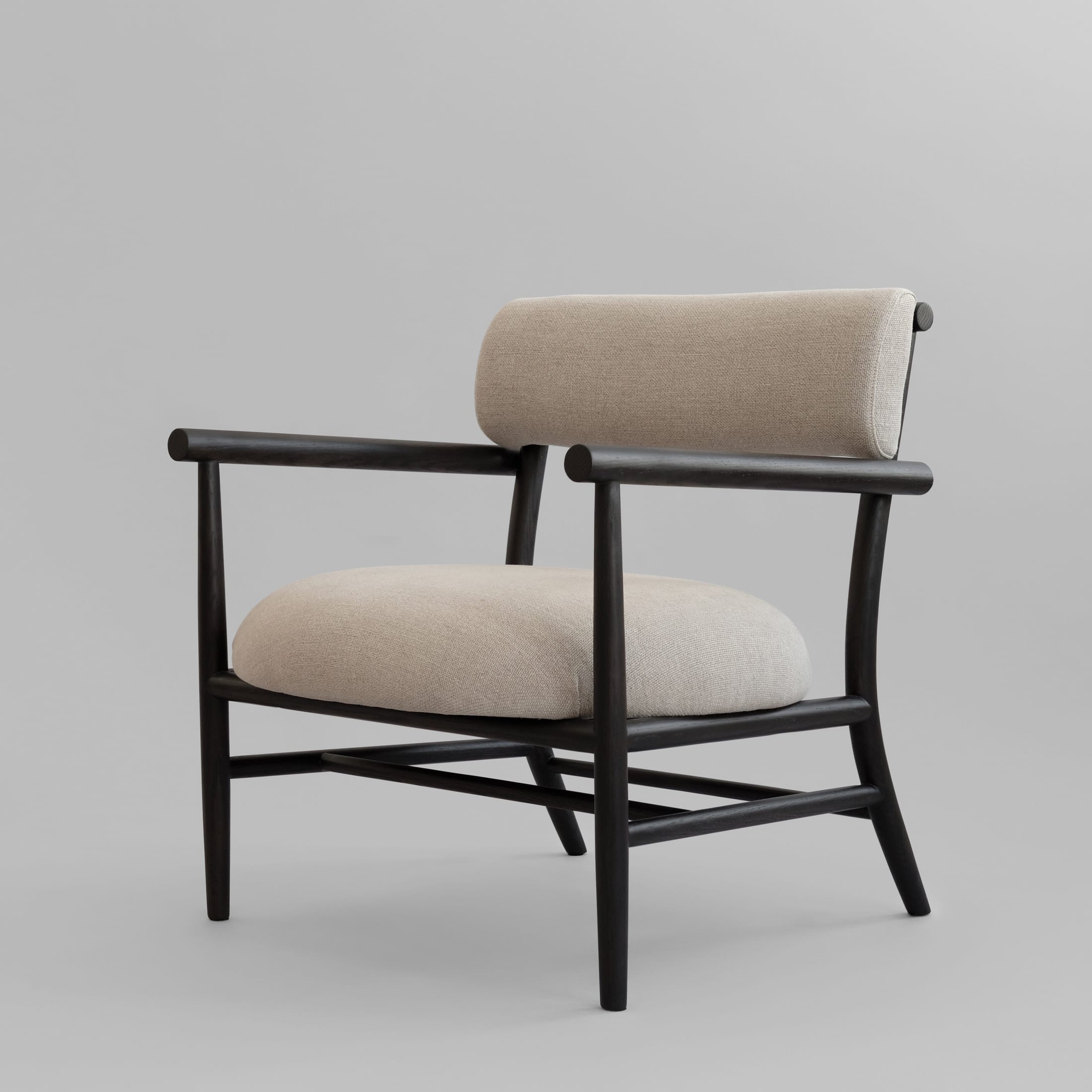
Shapes simple enough to read: a stack of padded pillows is a Toe, a rough-cut block is a Temple, a slender frame is a Nama. You can see how each is built.
- 03
Lived with
Does it work for all of us, at the hour we use it?
Toe is shaped for long hours in it. Nama comes as a lounge chair and as a dining chair with armrests — one language across a room.
- 04
Kept
Will we still want it, and can it be mended?
Quiet forms with long memories: a 1970s space-age tribute, a Japanese stick chair, a stone block. They are not chasing a season.
- 05
Answerable
Who stands behind it?
We deal with the studio directly: two principal designers we can name, an address on Østergade in Copenhagen, and a direct line for trade and enquiries.
The idea
Hard against soft.
The balance they look for is what they call umami: a little hard, a little soft, nothing shouting. You can see it in pairs.
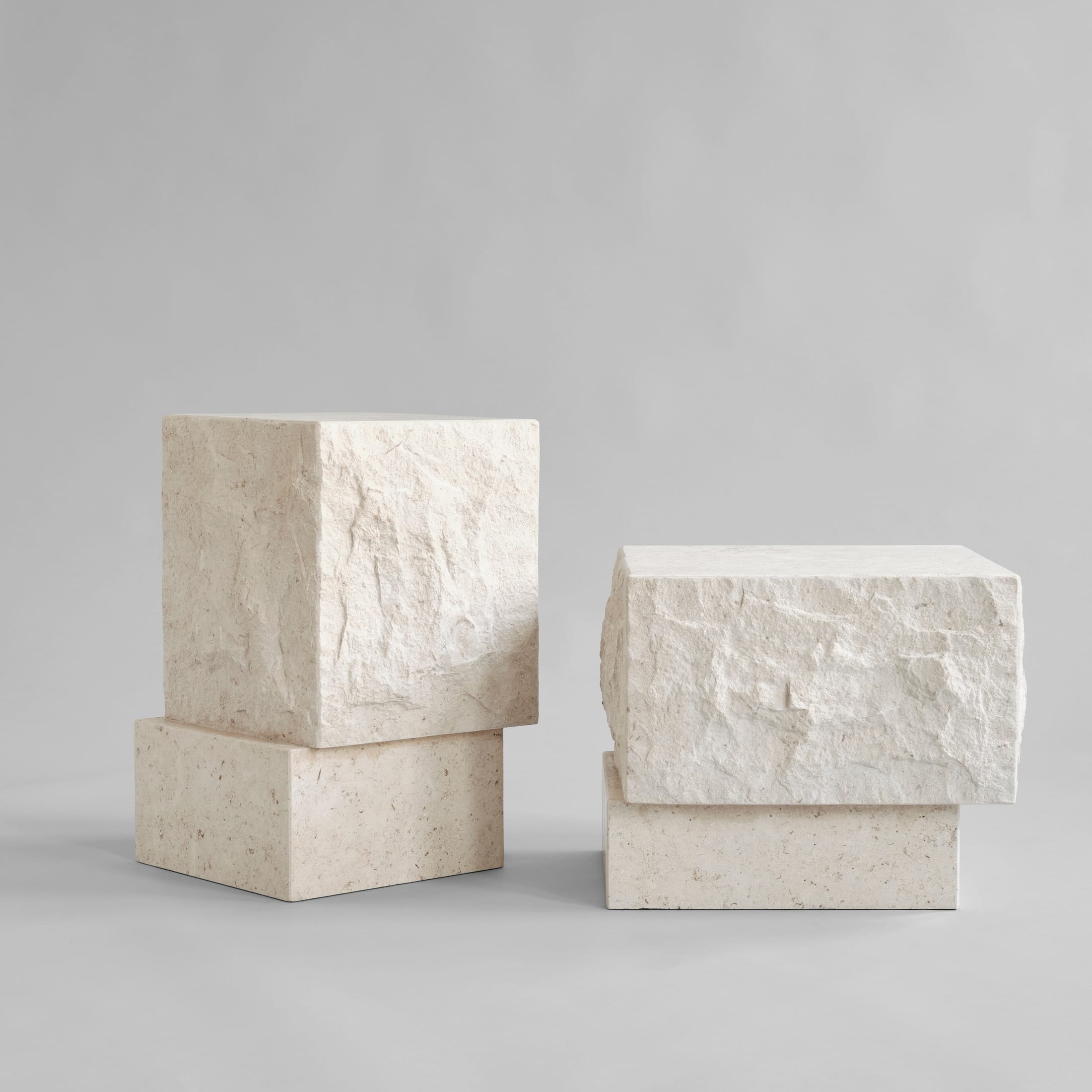
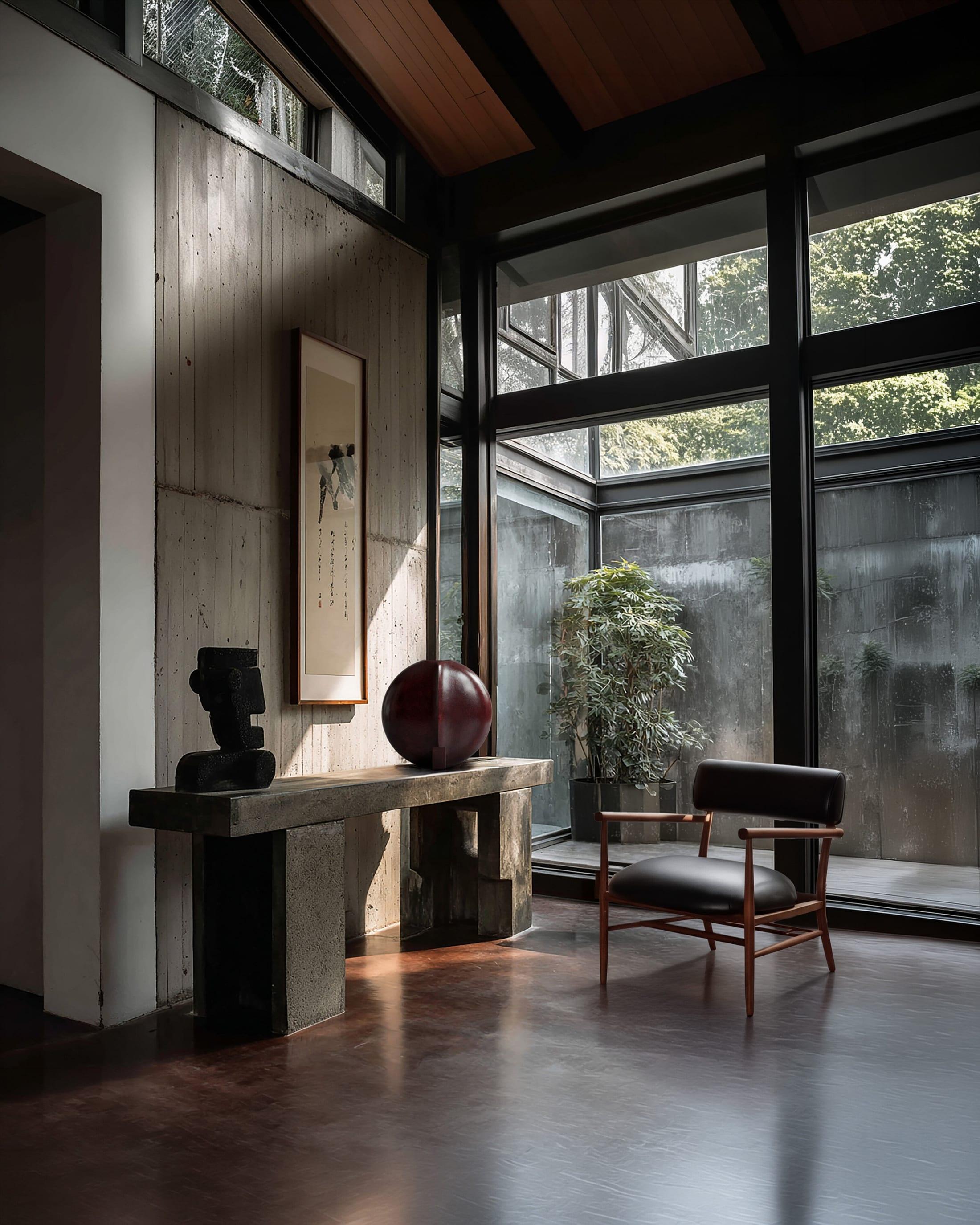
A rough-hewn stone table, and a stack of padded pillows to sit in.
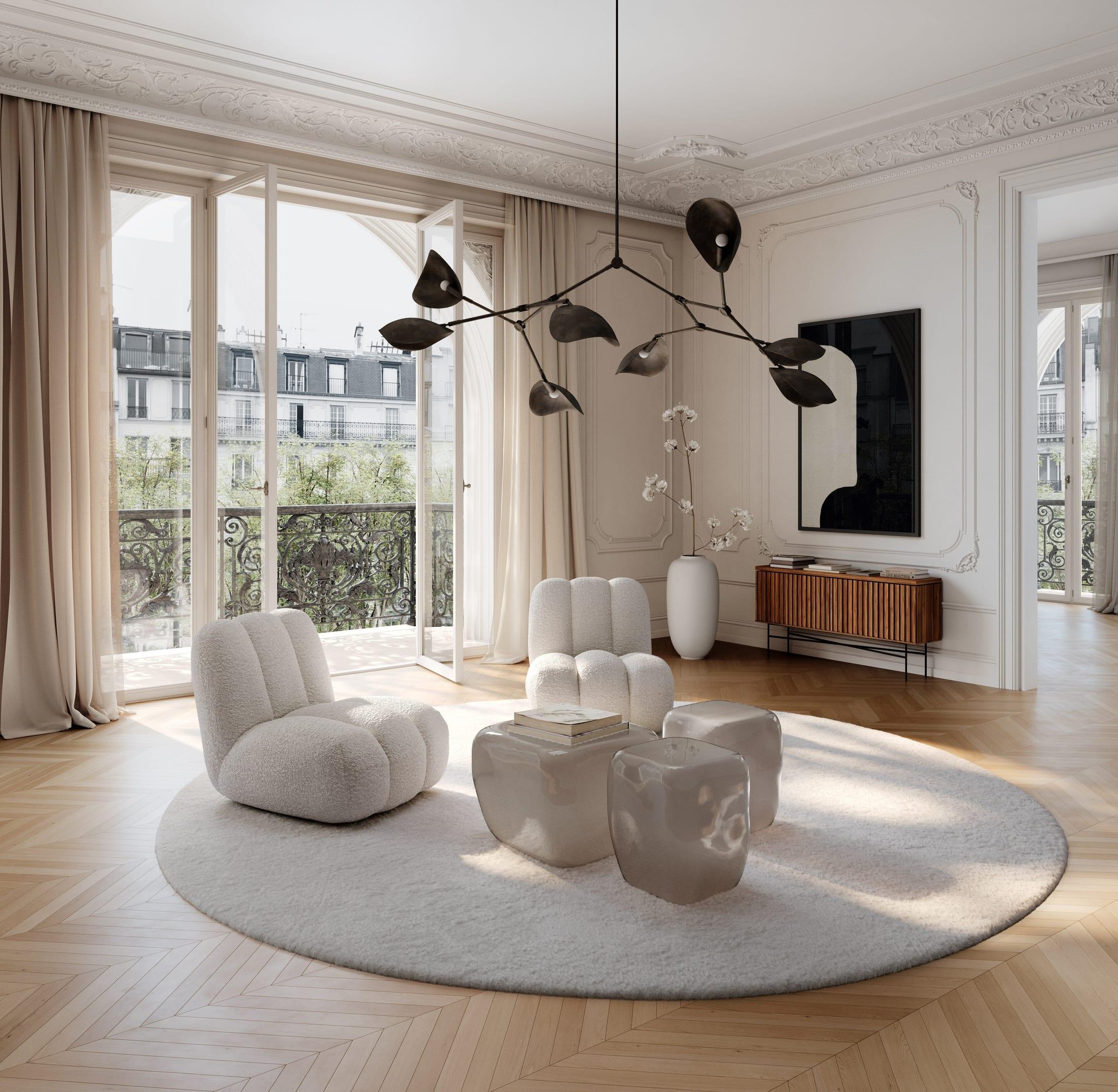
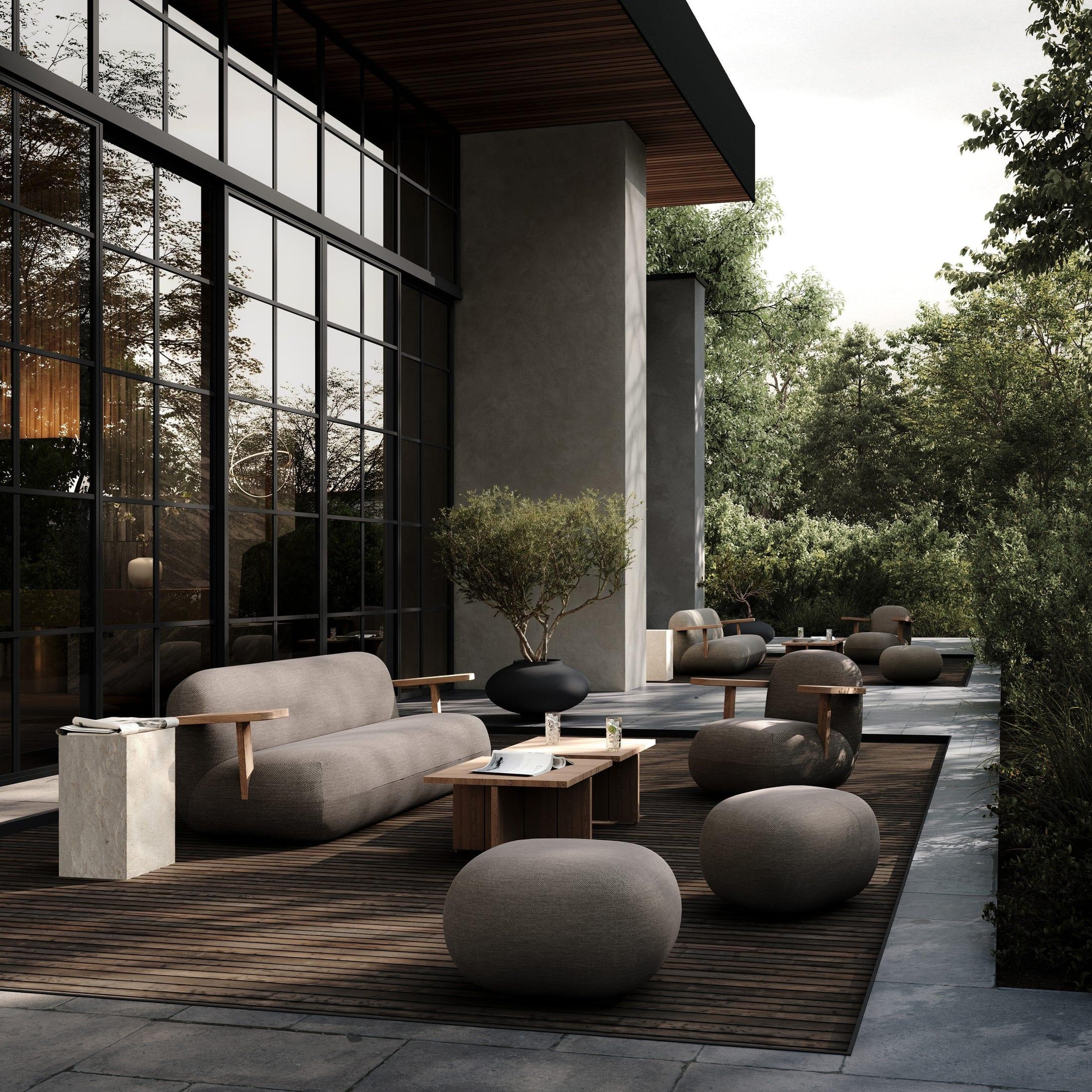
A plinth that holds a room down, and a chair that barely touches it. Nama began from Japanese stick chairs.
What we carry
The pieces in the house.
Visit
Say hello in Copenhagen.
101 Copenhagen works from Østergade. Write to them, or tell us what you would like to sink into and we will find the piece.
- Website
- 101cph.com
- Write
- sales@101cph.com
- Call
- +45 31 500 101
- Visit
- Østergade 17, 1100 Copenhagen K, Denmark
MELI Living Standard™ is how we run our own house, written down — not an independent certification, a curriculum, or medical advice.