Main designer · 101 Copenhagen · Copenhagen, Denmark
KristianSofusHansen
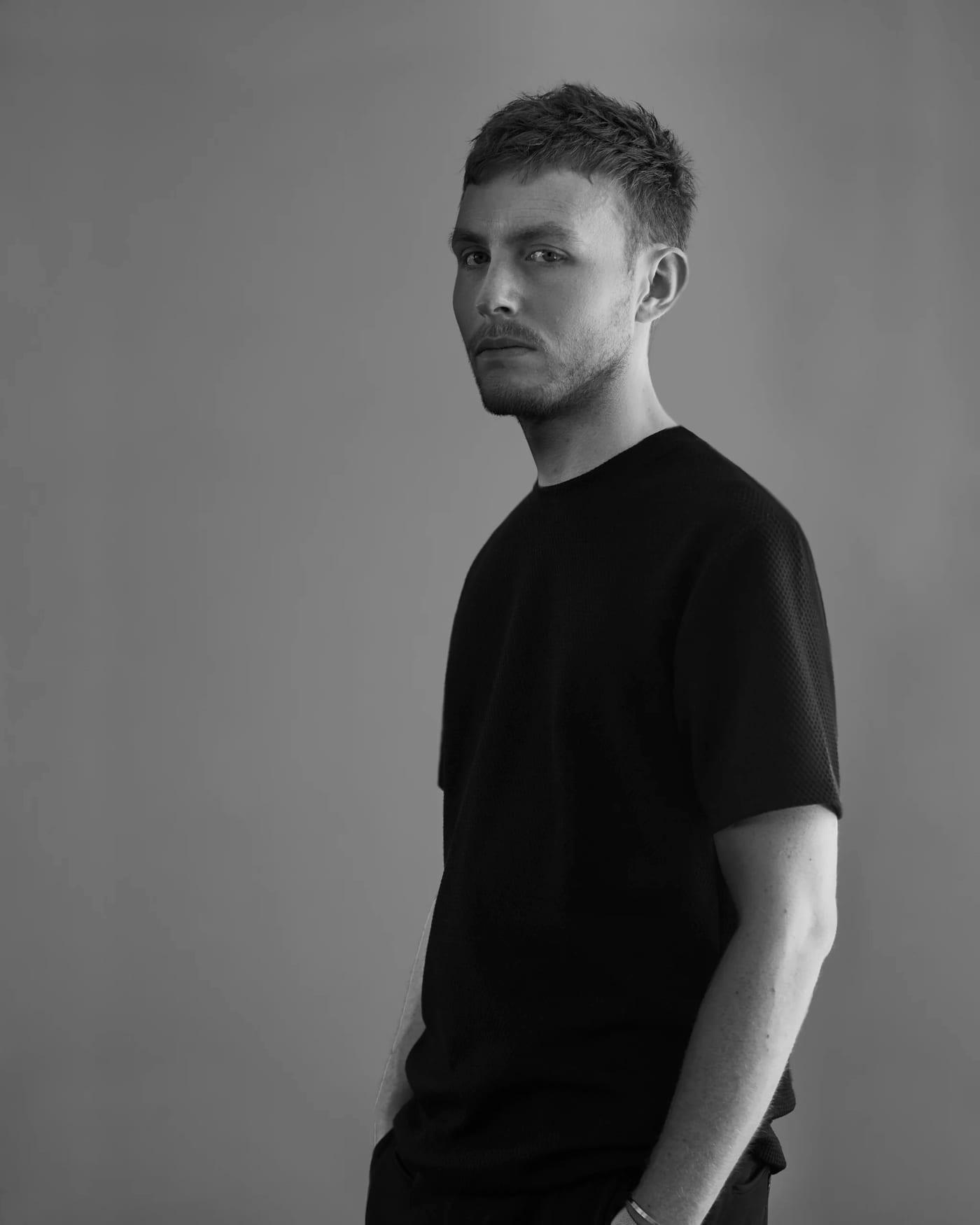
A chair should be experienced from every angle. He draws furniture the way an architect draws a building: the outside first, then closer, then closer still.
He draws for 101 Copenhagen, with Tommy Hyldahl.
How he draws
Outside in.
NORR11, the sister brand where he is lead designer, describes his process in three moves.
- 01The outsideIt begins with external form, much like the making of a building.
- 02CloserThen an almost telescopic approach: zooming in to look hard at every detail.
- 03A sculptureArchitecture is where his furniture starts from, and it always ends as a sculptural form.
NORR11, design page
The path
Architecture first. Then Kyoto.
- 2011–14Bachelor of Architecture at the Royal Danish Academy, in the Institute of Architecture and Design: Spatial Design, Perception and Detail.
- 2014Exchange student in the Department of Architectural Design at Kyoto Institute of Technology.
- 2014–16Master of Architecture, at the same Academy.
- 2016June. Joins NORR11 as a product designer, and 101 Copenhagen as designer and product manager.
- 2021September. Lead designer at NORR11.
- 2022August. Head of Design at 101 Copenhagen.
These dates are his own, from his LinkedIn profile. A Japanese retailer’s page confirms the Kyoto school; the rest we have not seen printed elsewhere.
From the section “Funktionelle skulpturer”
«Vi stræber altid efter at skabe møbler, der rummer et skulpturelt udtryk. En stol skal således kunne opleves fra alle vinkler.»Our translation — MELIWe always aim to make furniture with a sculptural expression. A chair should be experienced from every angle.
Every angle
A chair has at least four sides.
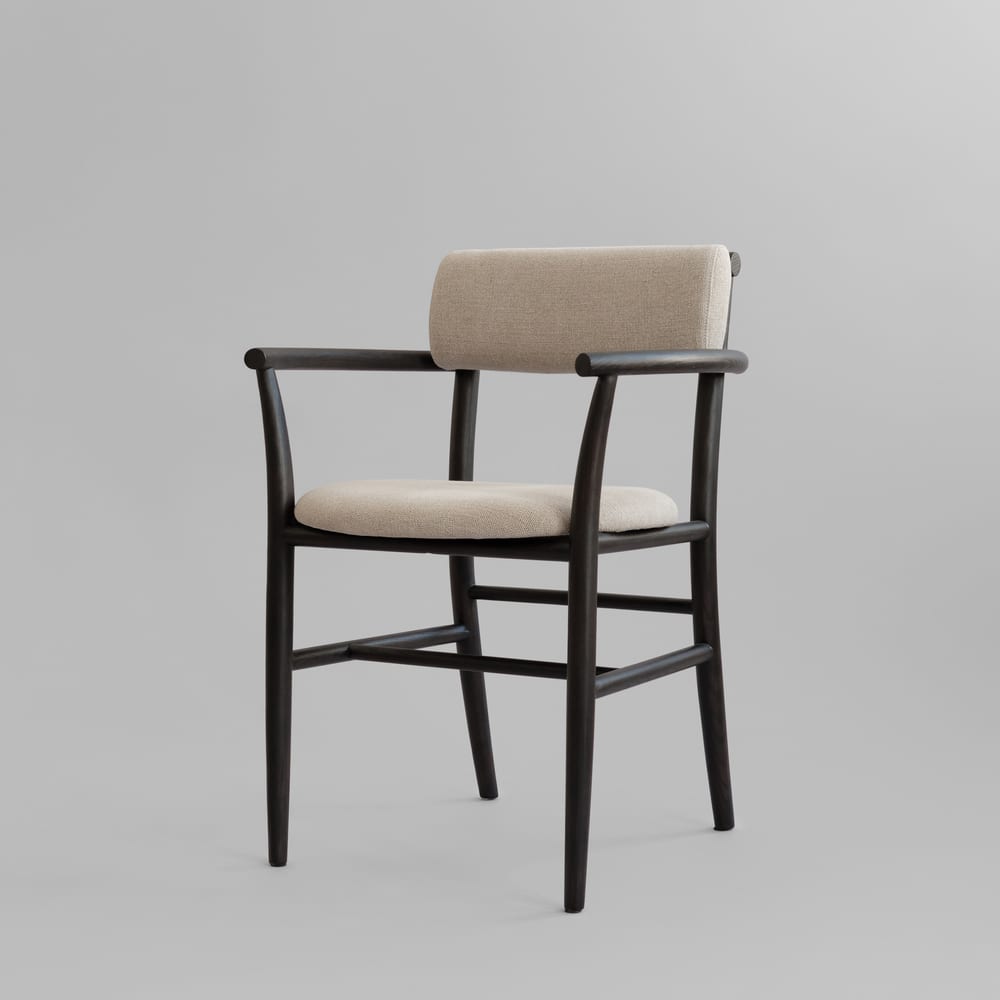
The Nama dining chair with armrests, in the maker’s own photographs from our shop page. Front, three-quarter, side, back.
 01Front
 02Three-quarter
 03Side
 04Back
Kyoto
Lightness, even when it looks heavy.
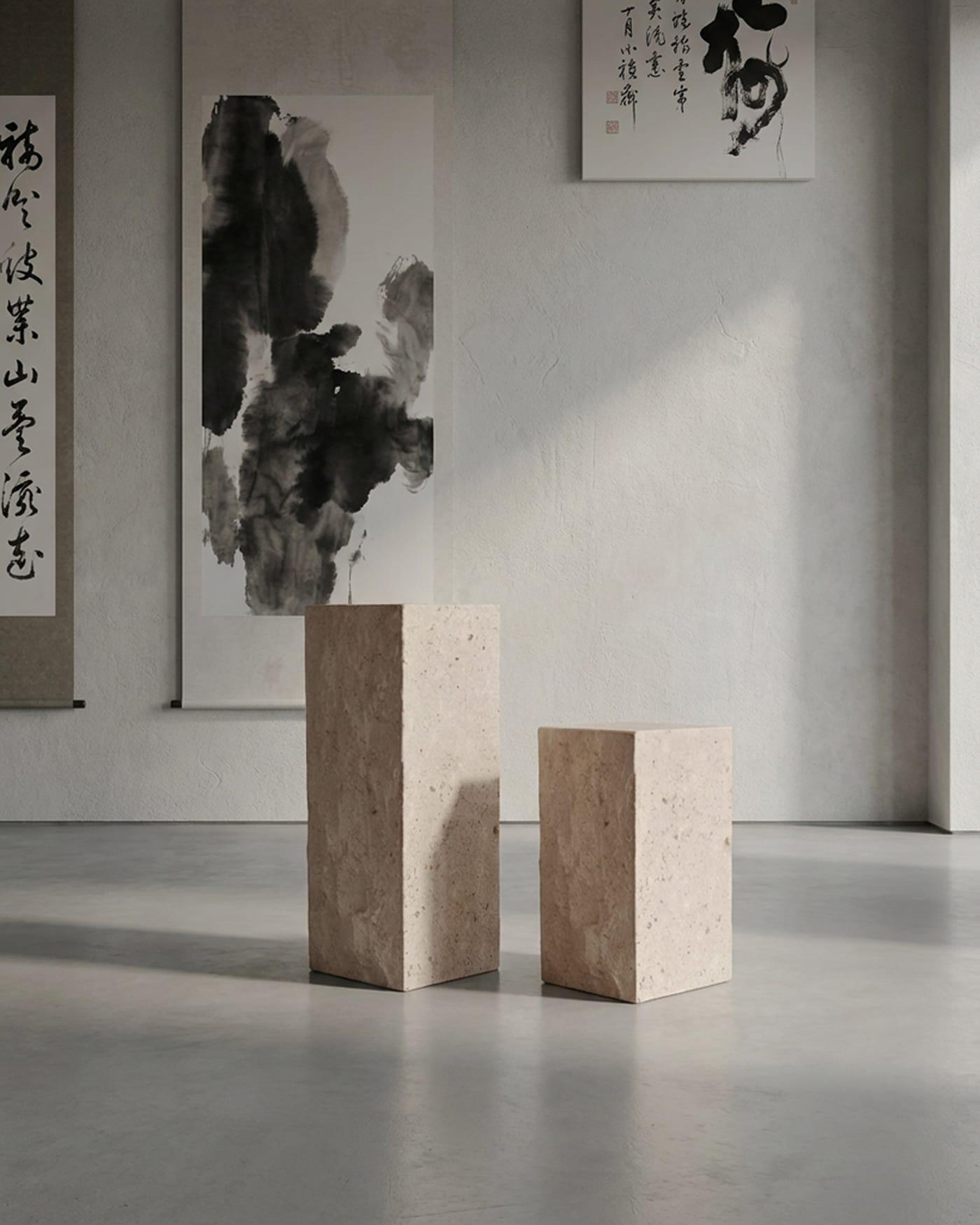
In 2014 he studied in Kyoto. NORR11 says that time left a lasting influence, and that what he makes carries a distinct Japanese imprint. The maker’s own page says he seeks to unite Japanese aesthetics with Danish design, for a characteristic twist on simplicity.
You can read it in the names. Nama is Japanese for raw and natural. The Nama chair began from the traditional Japanese stick chair.
We like to use the Japanese aesthetic to add a certain lightness to each design, even if the product actually looks heavy.
Kristian Sofus Hansen, That Cool Magazine
At the first table
He brought the form.
June 2016. A small basement in Magstræde, in the old centre of Copenhagen. Impact Magasin puts the furniture architect on one side of the table and the founder, Tommy Hyldahl, on the other. A year later they showed a first collection at Maison&Objet in Paris.
Impact has him remember the design language of the time as very New Nordic. They wanted to try something new.
The pieces are a two-person job. By his account, they work together on everything.
Sources date the start of their work together to 2015, 2016 or 2017. The maker’s own telling puts the first table in 2016.
«Vi arbejder sammen om alt, hvad vi laver – fra idéudviklingen og gennem hele designprocessen.»Our translation — MELIWe work together on everything we make, from idea development through the whole design process.
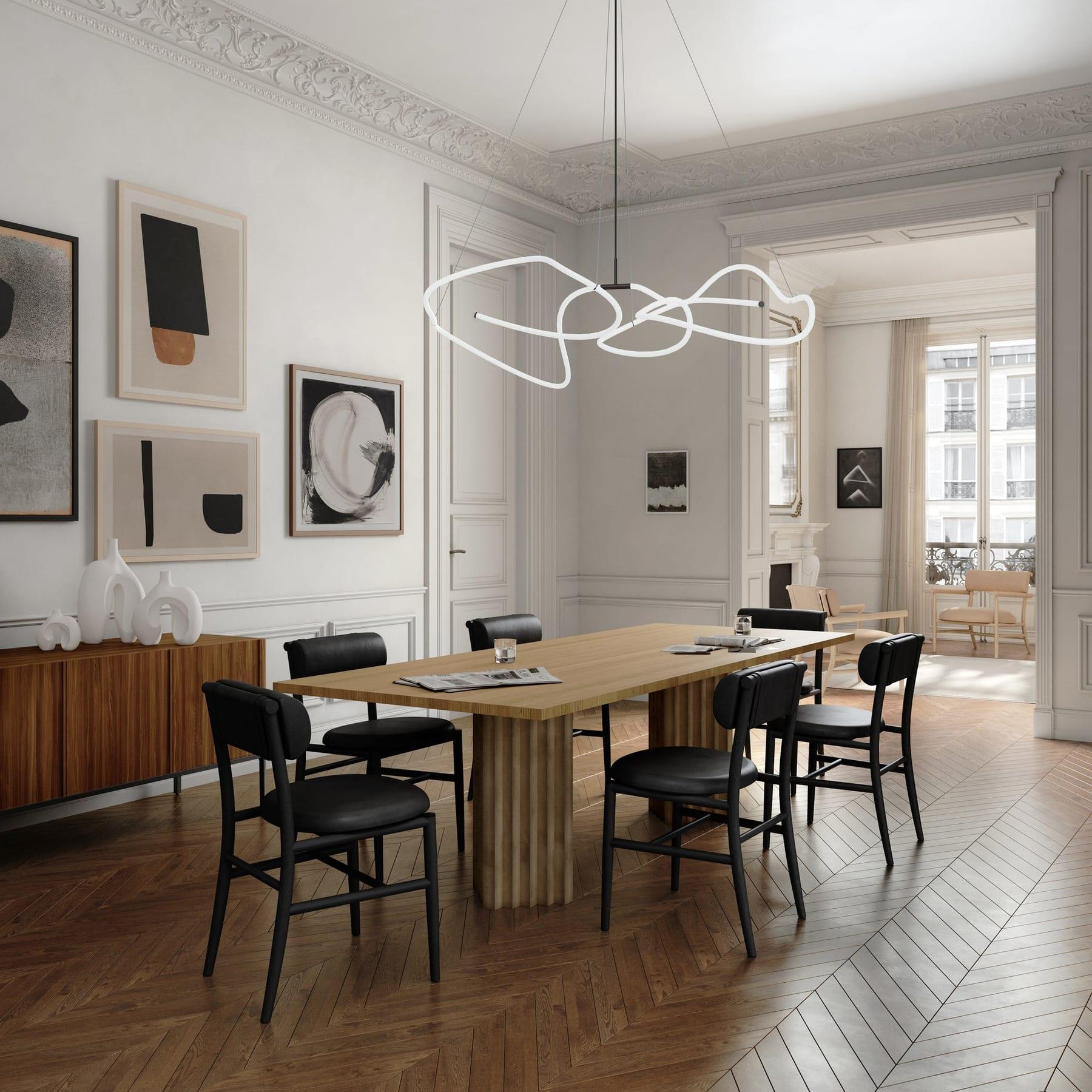
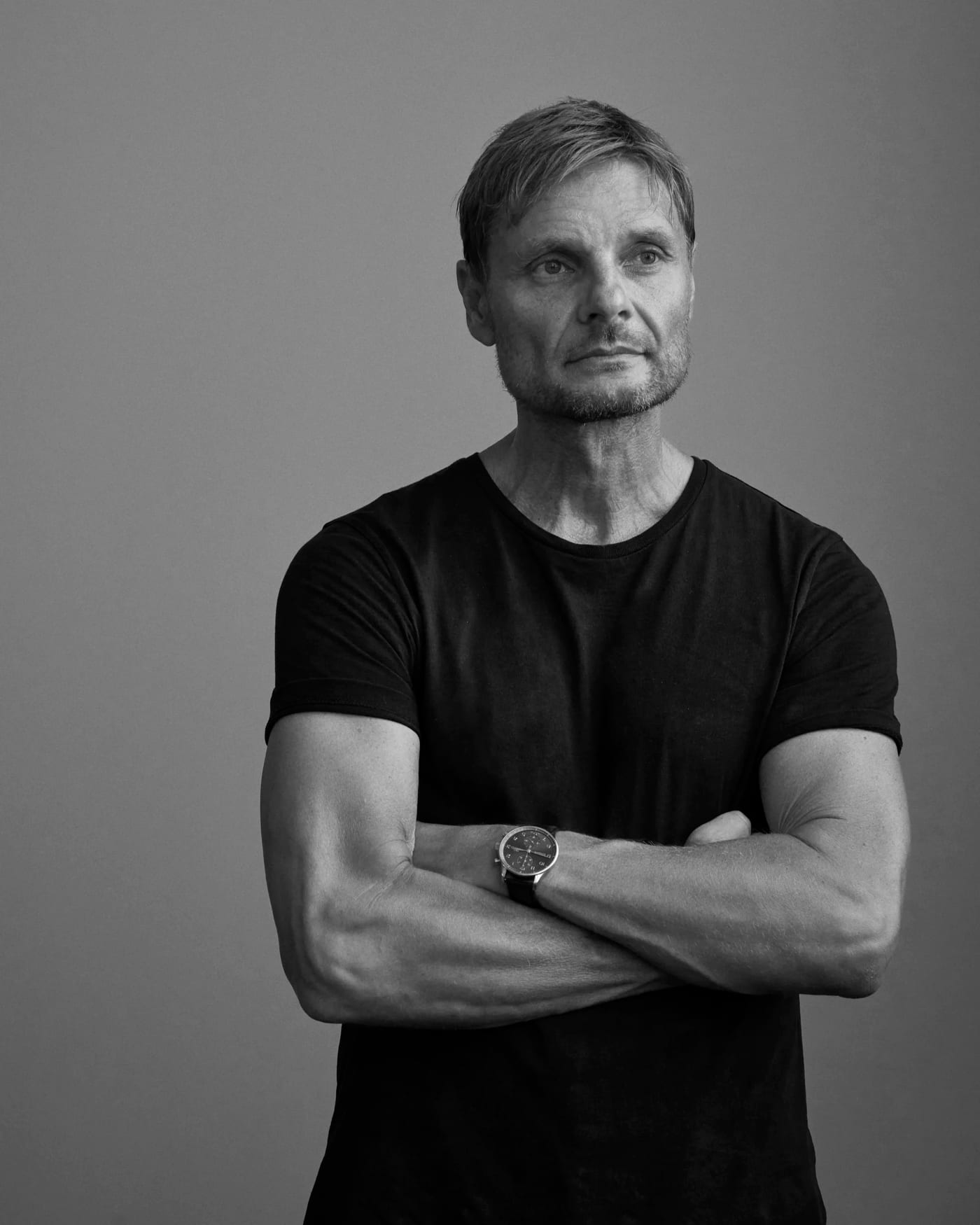 The other side of the tableTommy HyldahlFounder and main designer. Fashion, trends, the founding.
In the house
Six pieces, seen from the object first.
Each is credited to Kristian Sofus Hansen and Tommy Hyldahl together, the way the maker credits it. Hold your pointer over a piece to see it in a room.
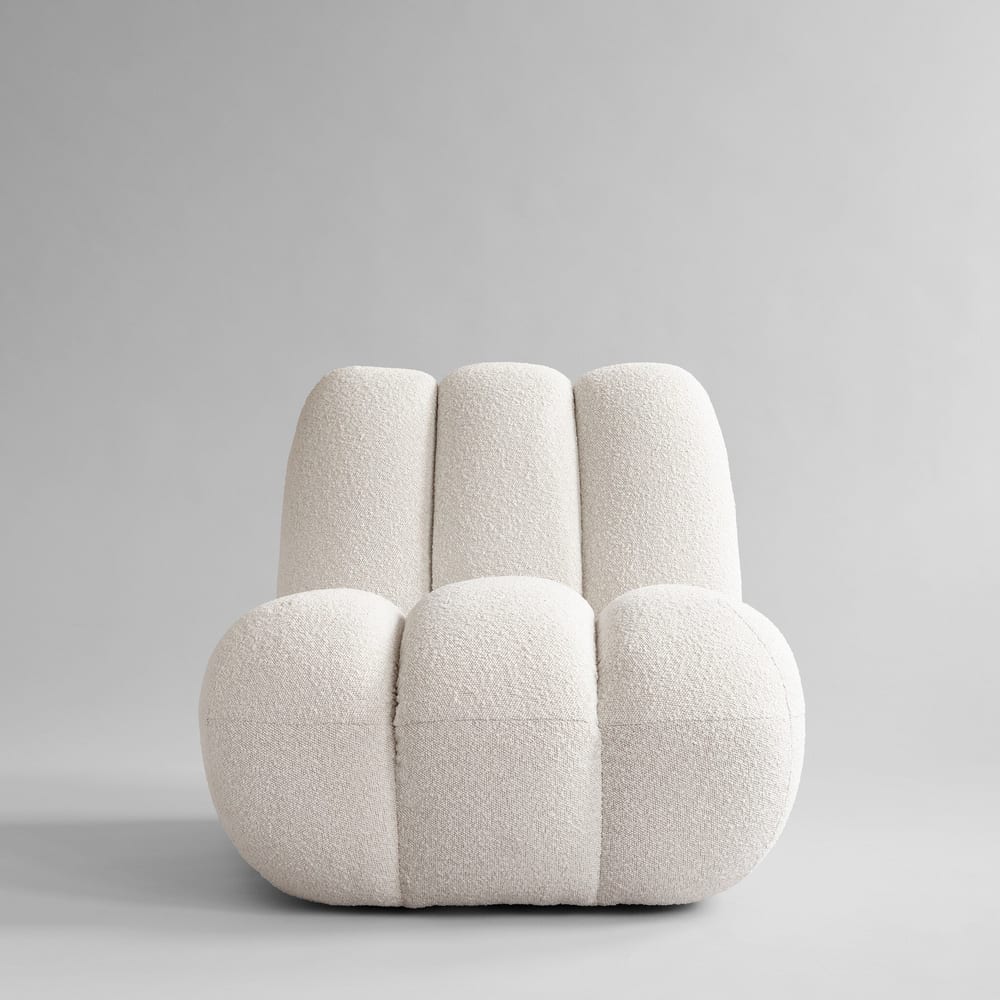
 01ToeA tribute to 70s futuristic design and the space age. Fluted, voluminous upholstery.See it in MELI Shop
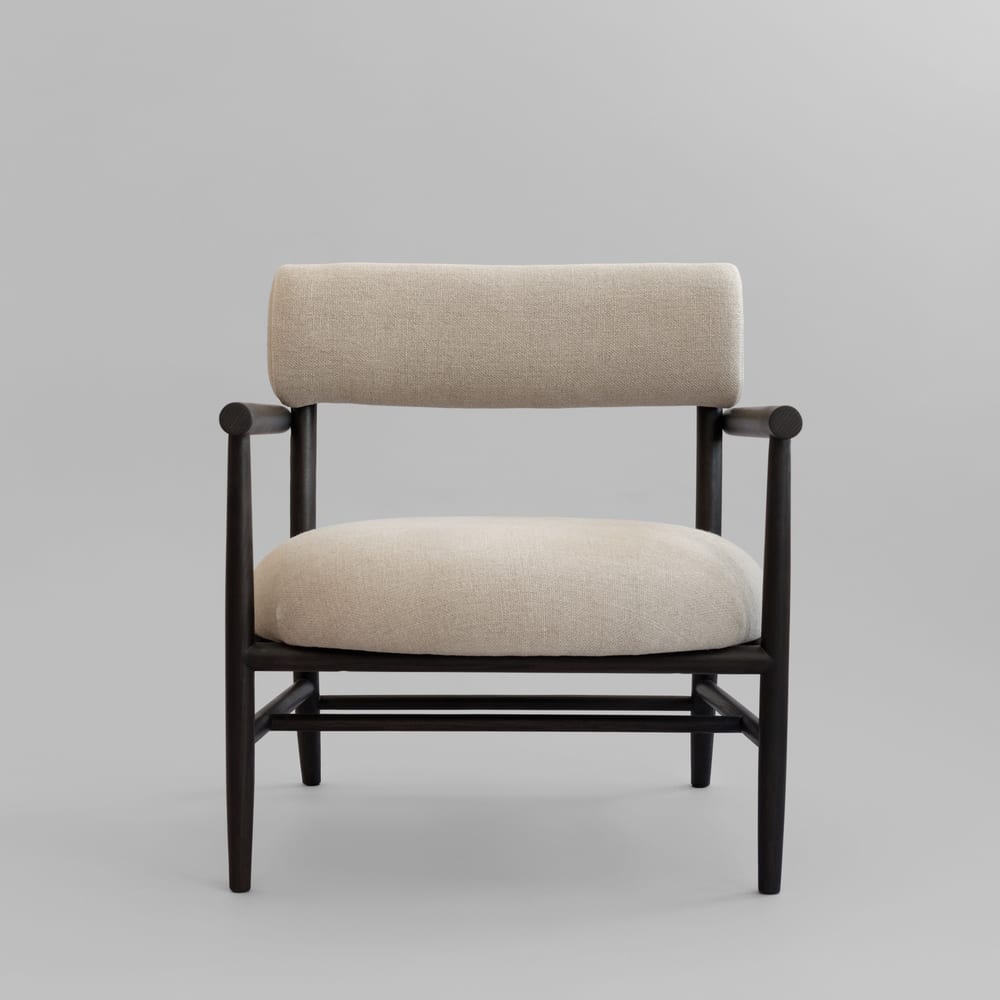
 02Nama LoungeFrom the Japanese stick chair. Straps on the back recall Copenhagen bicycle bags.See it in MELI Shop
- 03Nama ArmrestThe same language at the table: a dark frame, a linen seat and back.See it in MELI Shop
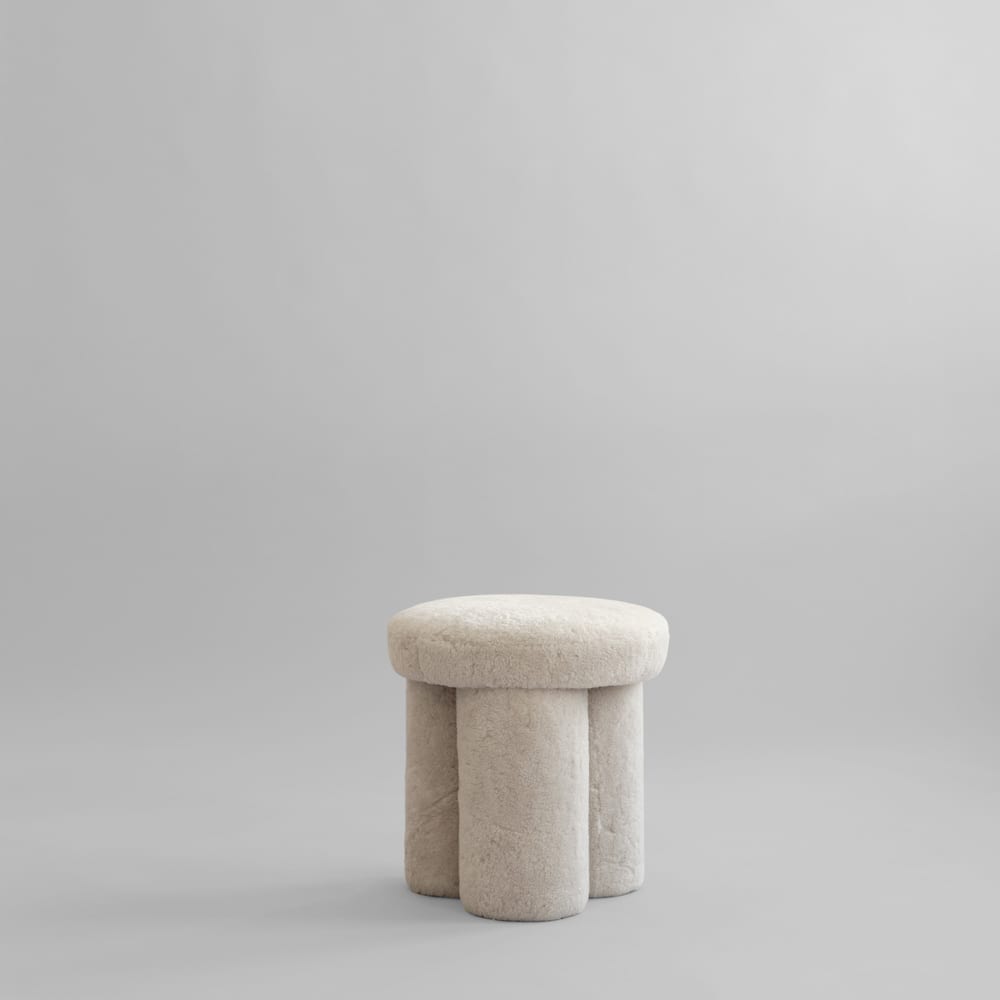
 04Big FootBrutalism and sculpture on cylinder legs. The family looks heavy and is not.See it in MELI Shop
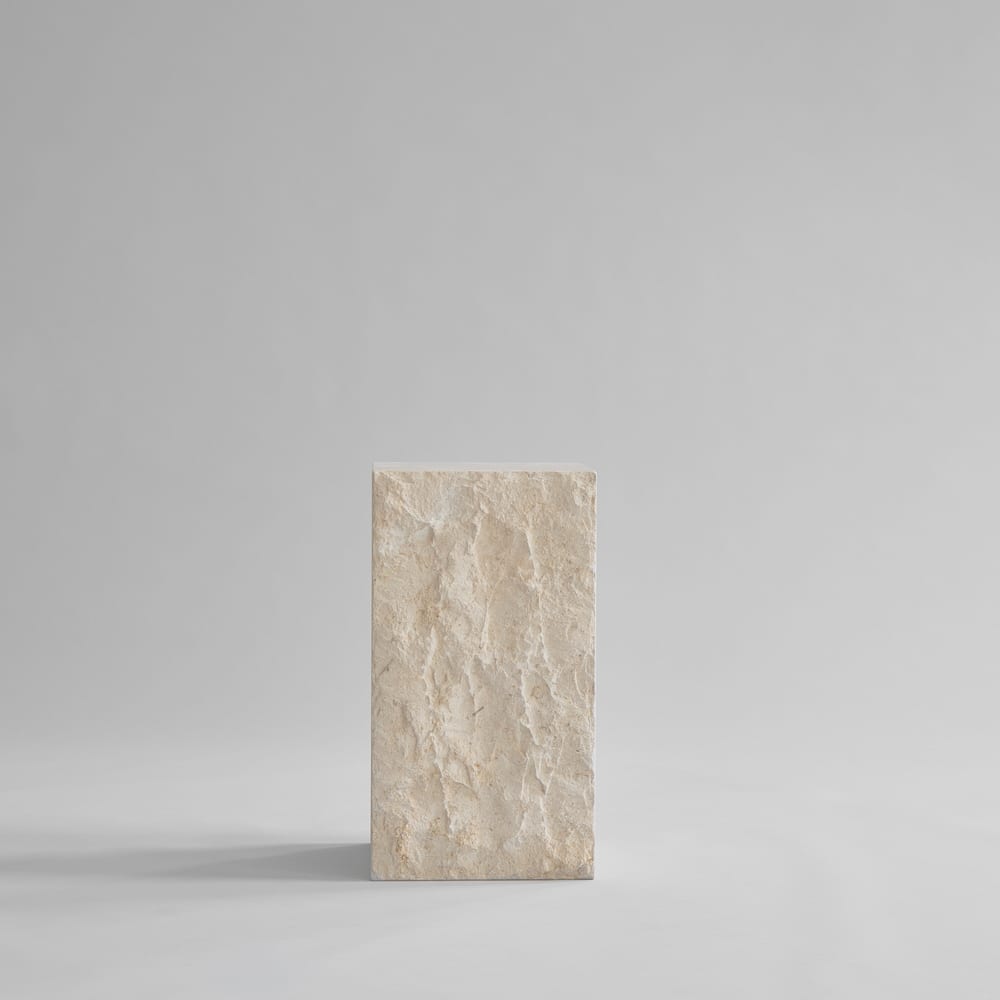 05PodiumLimestone with a carved relief. The calm of a gallery, from Brutalism and façade ornament.See it in MELI Shop
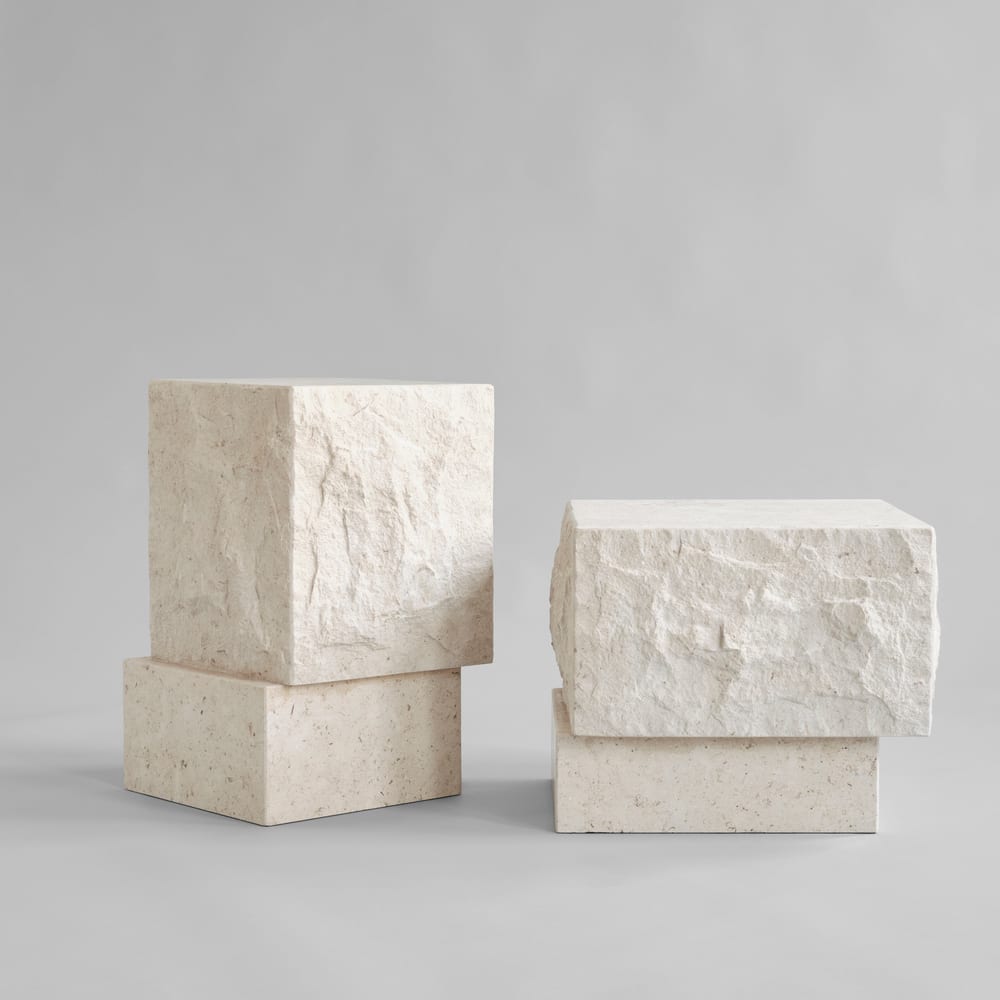
 06TempleLimestone blocks on a mirror-chrome base, so the top seems to float like a rock.See it in MELI Shop
What he stands for
The sculpture you can walk around.
This is our reading, from what is on file. Kristian is the form-maker of the pair: architect-trained, and carrying Kyoto into a Danish idea of furniture. He represents the house’s North meeting East.
He and Tommy call the balance they look for umami: hard against soft, massive against very light. You can see it in a limestone block that seems to float.
MELI Living Standard™ — two of the five questions
- 02
Honest making
How was it put together?
Nama can be read at a glance: curved wooden dowels, and straps that hold the back. Its name means raw and natural in Japanese.
- 03
Lived with
Does it work for all of us, at the hour we use it?
A chair is seen from behind as often as from the front. He draws it to be good from every side, and we show it that way, in four views.
Back to the house