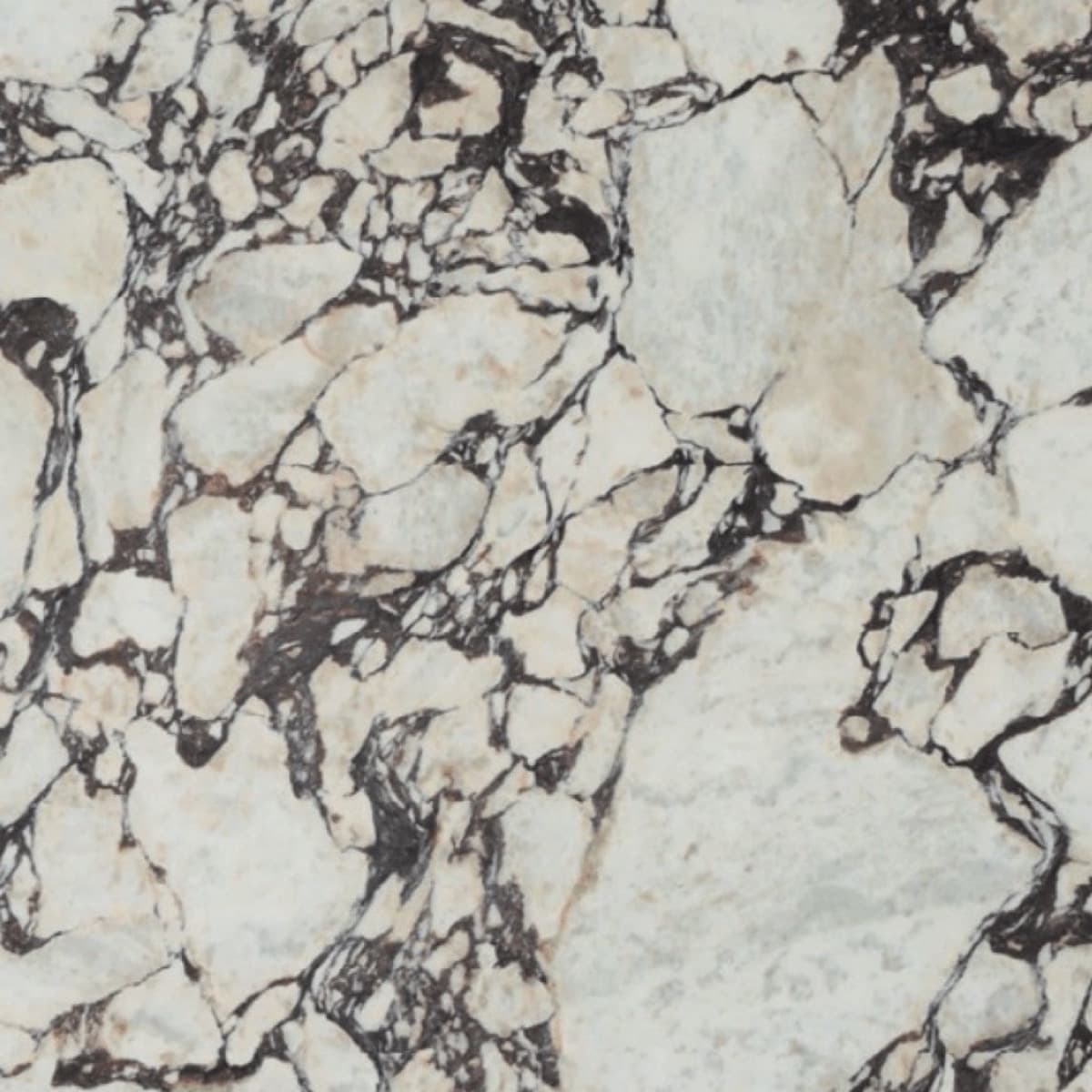
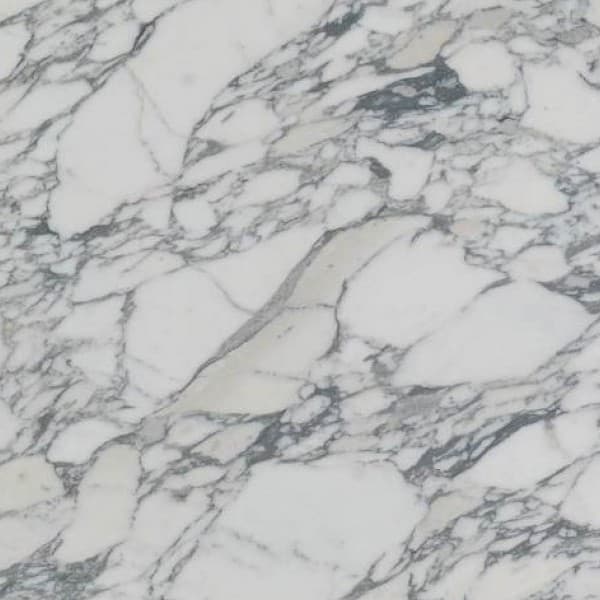
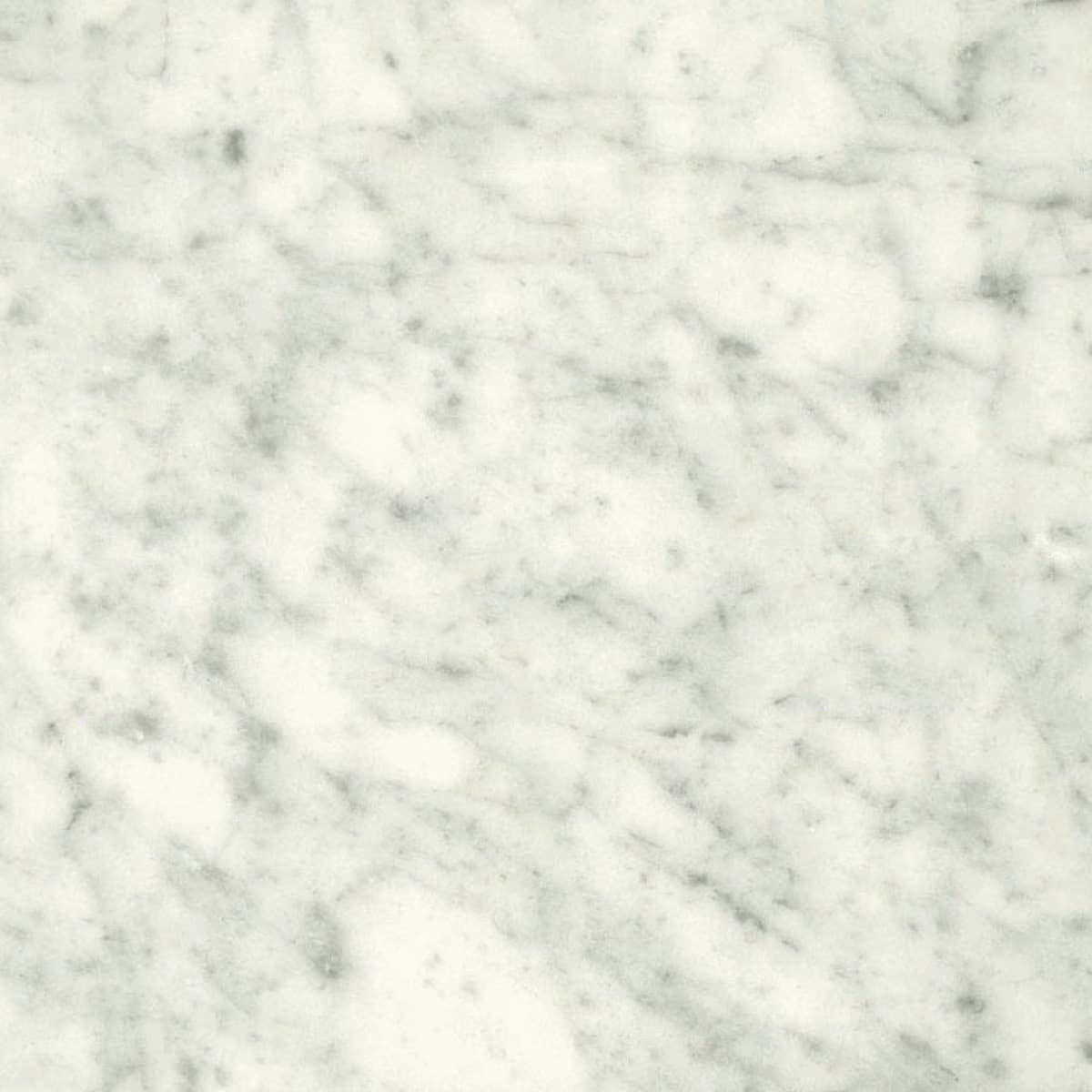
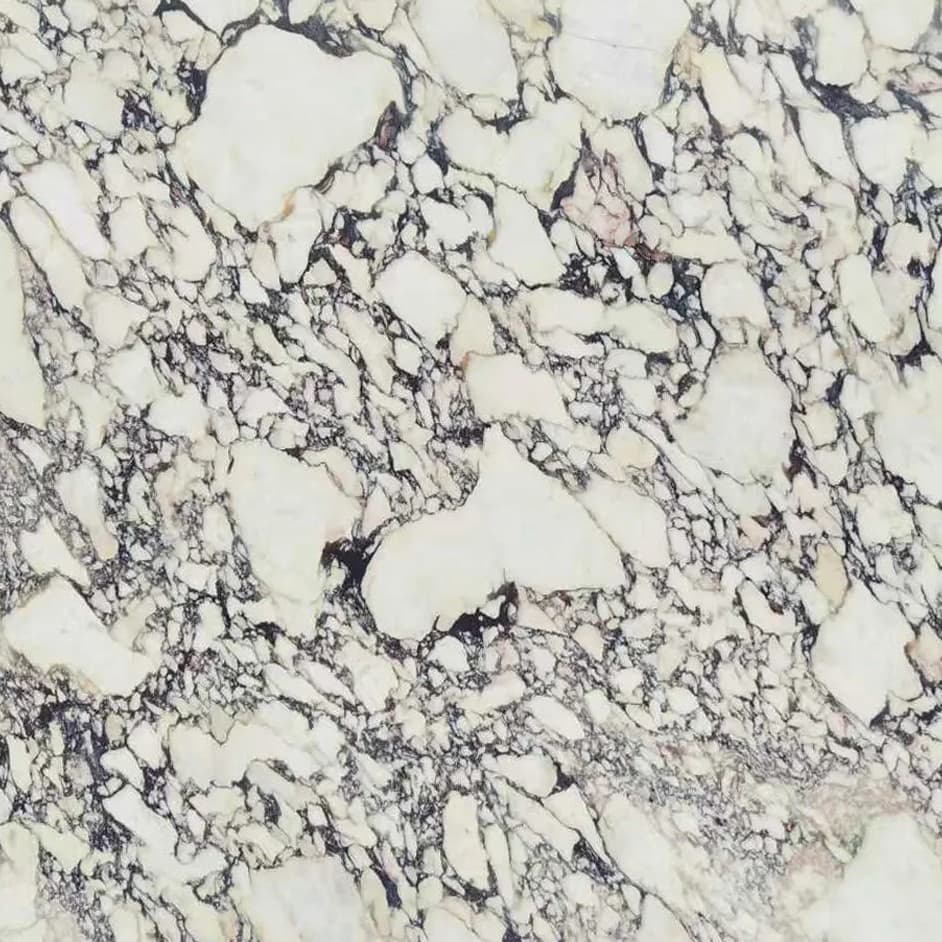
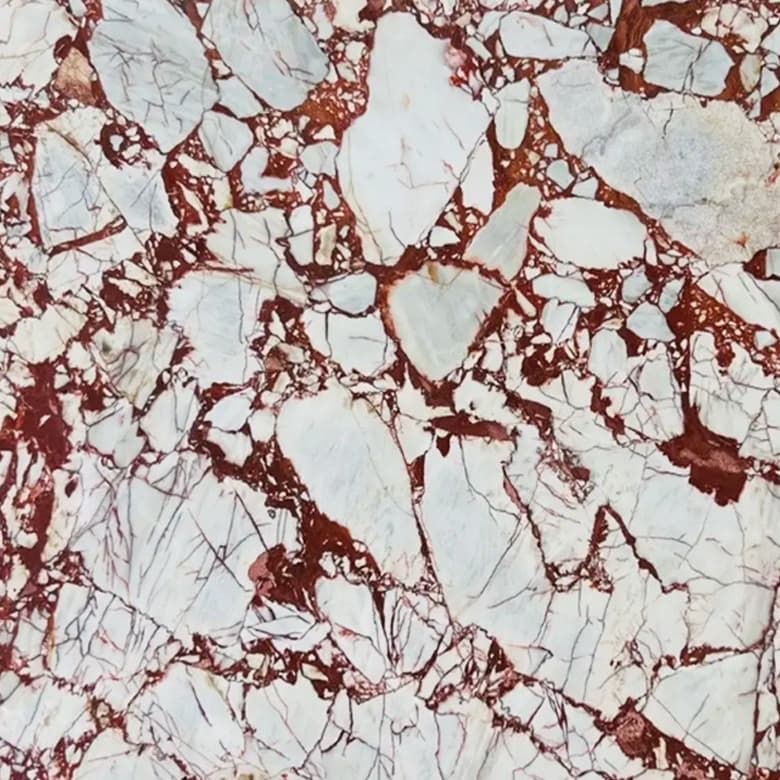
Viola is the most coveted of the Calacattas: a luminous white ground slashed by veins of violet, plum and slate that no other marble produces. The colour comes from trace minerals in the quarry, and it is never uniform — each block has its own palette.
It is a piece you design a room around. Keep the walls quiet, let the stone take the stage, and the room will make sense.
Marble is limestone transformed. Under heat and pressure, over millions of years, the original calcium carbonate recrystallises into a dense, interlocking mass, and the impurities caught inside it — iron, graphite, clay — are drawn out into the veining you see. No two blocks, and no two slabs from the same block, are alike.
Polished marble mirrors light and deepens colour; honed marble is matte, softer to the eye and more forgiving of daily use. Each piece is cut, shaped and finished by hand-guided craftsmen, and the edge, not just the face, is worked.
Marble is a living surface. It is calcium-based, so acids — lemon, vinegar, wine — can etch a polished face if left to sit, and over years a honed piece gathers a gentle patina. Many families come to love exactly that: a table that carries its own history.